The Haryana Real Estate Regulatory Authority's Gurugram bench cleared 51 real estate projects worth a combined Rs 38,050 crore between January and June 2026, according to data reported by PTI. Between them, the approved projects span 16,727 units, and the numbers say a lot about where developers think the money is right now.
Of those units, 15,403 are residential, 1,084 commercial and 240 industrial, which puts housing at roughly 92 percent of everything cleared in the first half of the year. That is a familiar pattern for anyone who has watched Gurugram's launch pipeline over the last couple of years: commercial and industrial land parcels still trade, but it is apartments, and increasingly premium ones, that developers are racing to register and sell.
Eleven projects, two-thirds of the money
What stands out in the RERA data is how concentrated the investment is. Just 11 of the 51 approved projects account for roughly Rs 25,000 crore, or about two-thirds of the half-year total. The other 40 projects share the remaining Rs 13,000 crore or so. In practice that means a handful of large-format townships and luxury towers are doing most of the heavy lifting, while a longer tail of smaller developments fills in the rest of the supply.
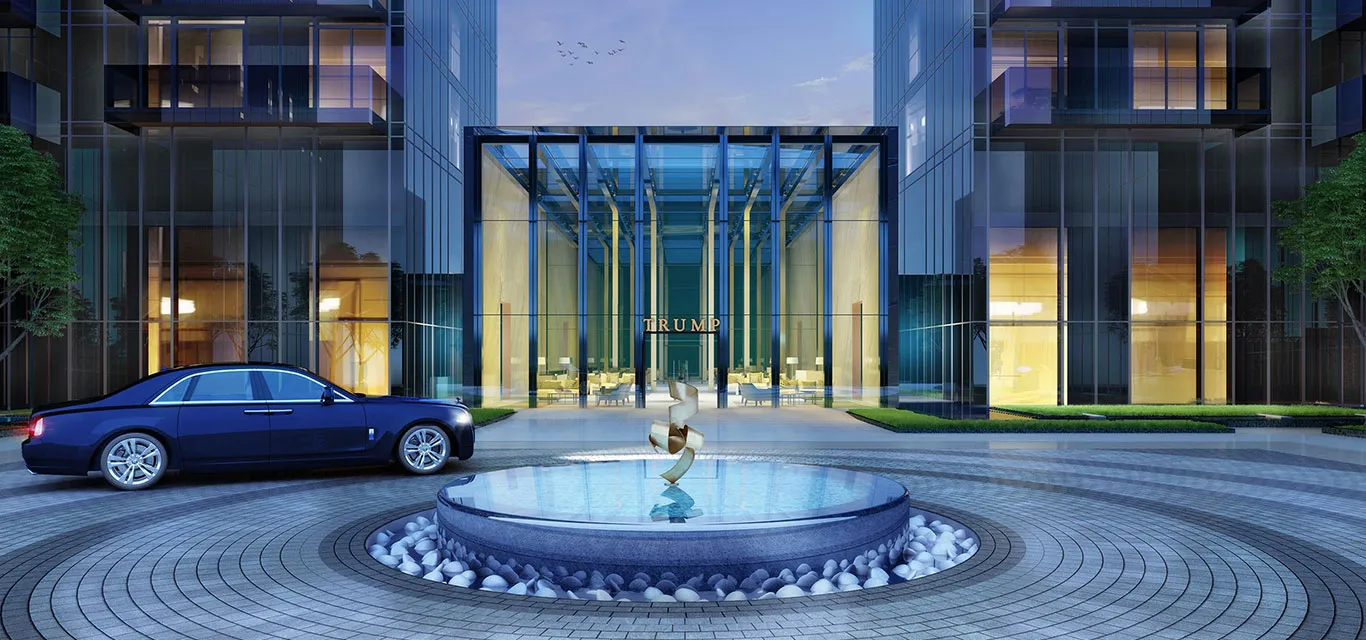
This lines up with what we have been tracking on the ground through 2026: big-ticket launches on the Dwarka Expressway corridor and along the Southern Peripheral Road belt, where per-project investment has climbed well past what was typical five years ago. Projects like Trump Towers Gurgaon on Golf Course Road are part of the broader shift toward fewer, larger, pricier launches rather than a scatter of mid-market blocks.
Why registration numbers actually matter
RERA approval is not a marketing detail, it is the legal precondition for a developer to accept bookings at all. A project without a registration number cannot legally advertise, sell or collect payment in Haryana, so this half-year tally is effectively a scoreboard of what is allowed to formally enter the market between January and June. Buyers evaluating anything launched in this window should still check the individual RERA number on the Haryana RERA portal before booking, project-level details like promised possession date and escrow account status vary a lot even within a single approval batch.
What it signals for the rest of 2026
Sustained approval volume at this scale, roughly Rs 6,300 crore a month on average, suggests developers are not slowing down despite sales growth cooling in some NCR markets this year. It also tracks with our own sector-wise rate analysis, which found per-square-foot prices holding firm or rising across most Gurugram corridors even as national sales volumes softened. More registered supply eventually means more choice for buyers, though in the near term it can also mean more launches competing for the same pool of premium buyers, especially in already crowded segments like 4BHK and penthouse inventory.
For now, the headline number is simple enough: Gurugram's regulator waved through nearly Rs 38,000 crore of new development in six months, and developers clearly still see the city as worth building in.