 RERA
Ready to Move
RERA
Ready to Move
Status · Listing
Properties in Ready to Move
Explore ready to move properties, apartments & villas. Buy homes in prime locations with instant possession, zero wait & assured value.
16 Projects
RERA Verified
Best Price Guarantee
16 results found
of 16
RERA
Ready to Move
 RERA
Ready to Move
RERA
Ready to Move
 RERA
Ready to Move
RERA
Ready to Move
 RERA
Ready to Move
RERA
Ready to Move
 RERA
Ready to Move
RERA
Ready to Move
 RERA
Ready to Move
RERA
Ready to Move
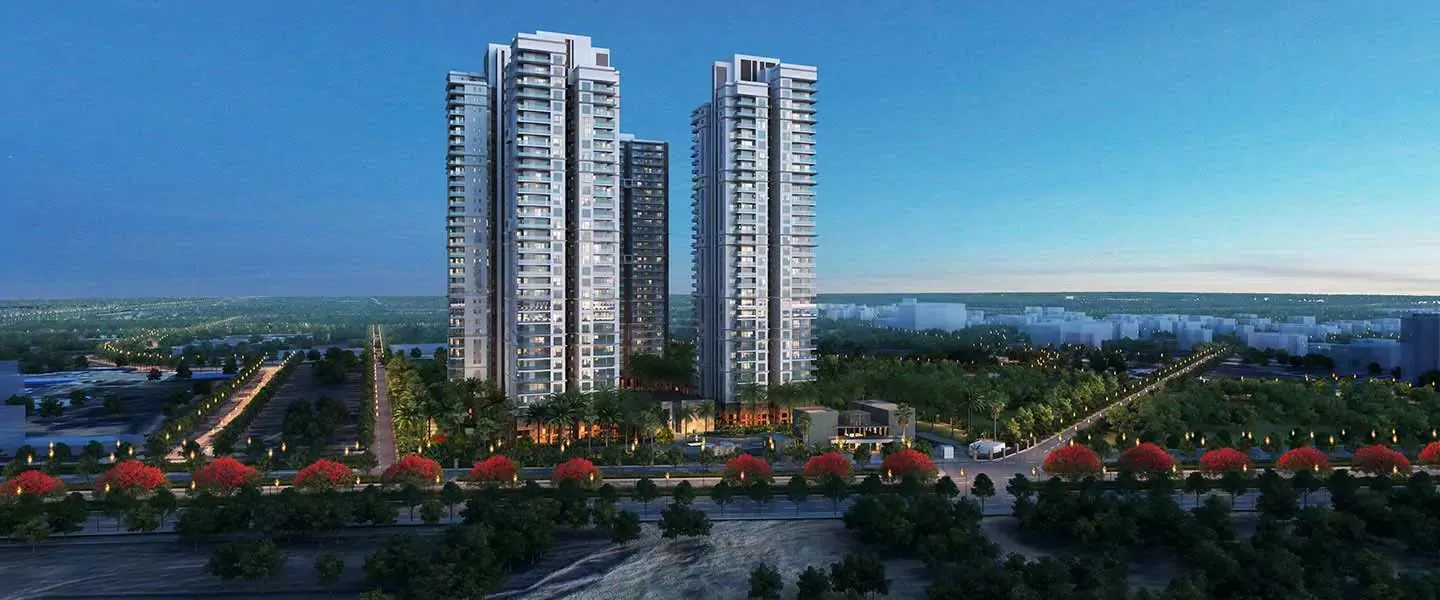
Emaar Emerald Hills
Gurugram · Golf Course Extension Road
From₹2.05 Cr onwards (homes); plots higher
 RERA
Ready to Move
RERA
Ready to Move
 RERA
Ready to Move
RERA
Ready to Move
 RERA
Ready to Move
RERA
Ready to Move
 RERA
Ready to Move
RERA
Ready to Move
 RERA
Ready to Move
RERA
Ready to Move
 RERA
Ready to Move
RERA
Ready to Move
 RERA
Ready to Move
RERA
Ready to Move
 RERA
Ready to Move
RERA
Ready to Move
 RERA
Ready to Move
RERA
Ready to Move
 RERA
Ready to Move
RERA
Ready to Move
Side by side
Compare projects in Ready to Move
Other Statuss
The single biggest advantage of ready to move properties is certainty. You see the actual product, floor plan deviations, finish quality, view corridors, even the neighbour profile, before you commit the bulk of your capital. No construction delays. No scope creep on specifications. No three-year wait while your down payment earns nothing. For buyers burned by stalled projects or those who need possession within weeks, this status delivers peace of mind that under construction inventory simply cannot match.
But that certainty comes at a price. Ready to move units in Gurugram sectors like 82, 89, or along the Dwarka Expressway typically command a 10 to 18 percent premium over comparable new launch projects in adjacent micro-markets. Developers have already absorbed holding costs, and they know buyers value immediate possession. The question is whether that premium is justified by your specific financial situation and timeline.
Payment Structure and RERA Escrow Realities
Once a project receives an Occupancy Certificate, RERA escrow rules change fundamentally. Developers are no longer required to route payments through designated escrow accounts tied to construction milestones. This shifts risk. In an under-construction deal, your money sits in a ring-fenced account; if the builder defaults, there's at least a theoretical recovery mechanism. With ready to move stock, you're paying the developer directly, often in a lump sum or within 60 to 90 days.
Most builders offer limited financing windows for RTM units. Expect payment plans like 10 percent on booking, 90 percent on possession, or occasionally a 20:80 structure stretched over six months. Gone are the construction-linked plans that let you spread payments over 30 to 36 months. If you're relying on a home loan, banks process RTM applications faster, disbursement happens in one tranche post-legal and technical clearance, but you start paying EMIs immediately. No float period.
Documentation and Possession Timelines
The flip side is speed. For a ready to move residential apartment in Noida or Faridabad, you can complete registry and take possession within 45 to 60 days if paperwork is clean. Builders have already secured the OC, fire NOC, and completion certificate. You're verifying, not waiting. This matters if you're an NRI coordinating remotely or a tenant facing lease expiry.
Check the handover condition carefully. Some developers list units as ready to move when only the OC is in hand but common areas, club, landscaping, sewage treatment plant, remain incomplete. Walk the project. Verify that elevators are running, power backup is operational, and water connections are live. A technical snag list is normal, but if 40 percent of the tower is unoccupied and the developer is chasing possession to close books, you may inherit teething issues for months.
Who Should Buy Ready to Move and Why
End users top the list. If you're relocating for work, upgrading from a rental, or consolidating after a sale, RTM units let you move in before the next school term or financial year. Rental yield timelines also matter. A commercial buyer eyeing an office suite in Sector 132 Noida or an SCO plot in Jhajjar wants tenants and cash flow now, not in 2027.
Investors face a trickier calculus. Yes, you avoid construction risk. But you've also missed the early-bird pricing that new launch buyers captured two to three years ago. Your appreciation runway is shorter. If the micro-market has already seen 25 to 30 percent price growth during construction, the next cycle may be softer. RTM works for investors who prioritise liquidity and want to flip within 12 to 18 months, or those buying for immediate rental income in high-demand corridors like Golf Course Extension or Sector 150 Noida.
NRIs often gravitate toward ready to move because remote project monitoring is a nightmare. You can appoint a local representative to inspect, verify, and register without worrying about construction timelines slipping or RERA complaints. The tax angle also shifts, you start claiming HRA exemption or deducting home loan interest from the first financial year, rather than waiting for possession.
Financial Trade-offs and Tax Implications
Stamp duty and registration hit immediately. In Haryana, that's roughly 7 percent of the transaction value; in Uttar Pradesh, it ranges from 6 to 7.5 percent depending on the authority. Add GST if applicable, though most RTM residential deals are GST-exempt post-OC, some builders try to recover input tax credit on the last tranche. Clarify this in the agreement.
Capital gains treatment differs too. If you're selling another property to fund an RTM purchase, the holding period for LTCG indexation starts from your new registry date. But if you're buying a villa or plot that's technically ready but requires fit-out or boundary wall construction, possession may be delayed, and you lose months of loan interest deduction if the property isn't self-occupied within the financial year.
Maintenance charges kick in from day one, even if you're not occupying. Corpus contributions for society formation can run ₹2 to ₹4 lakh for a 3 BHK in premium projects. Budget for it. And if the builder is still holding unsold inventory in your tower, expect slower society handover and a longer period under developer-appointed facility management, which usually costs more and delivers less.
Resale RTM inventory deserves separate mention. Units changing hands six months post-OC sometimes trade below primary RTM rates, especially if the original buyer is distressed or the project didn't meet market expectations. These can be value buys, but verify why the seller is exiting so soon. Title risk is lower than raw resale since the chain is short, but always run an encumbrance certificate and check for any disputes on record.