 RERA
Under Construction
RERA
Under Construction
Status · Listing
Properties in Under Construction
Explore under construction properties & upcoming projects. Invest early in prime locations with flexible plans & strong future growth.
38 Projects
RERA Verified
Best Price Guarantee
38 results found
of 38
RERA
Under Construction
 RERA
Under Construction
RERA
Under Construction
 RERA
Under Construction
RERA
Under Construction
 RERA
Under Construction
RERA
Under Construction
 RERA
Under Construction
RERA
Under Construction
 RERA
Under Construction
RERA
Under Construction
 RERA
Under Construction
RERA
Under Construction
 RERA
Under Construction
RERA
Under Construction
 RERA
Under Construction
RERA
Under Construction
 RERA
Under Construction
RERA
Under Construction
 RERA
Under Construction
RERA
Under Construction
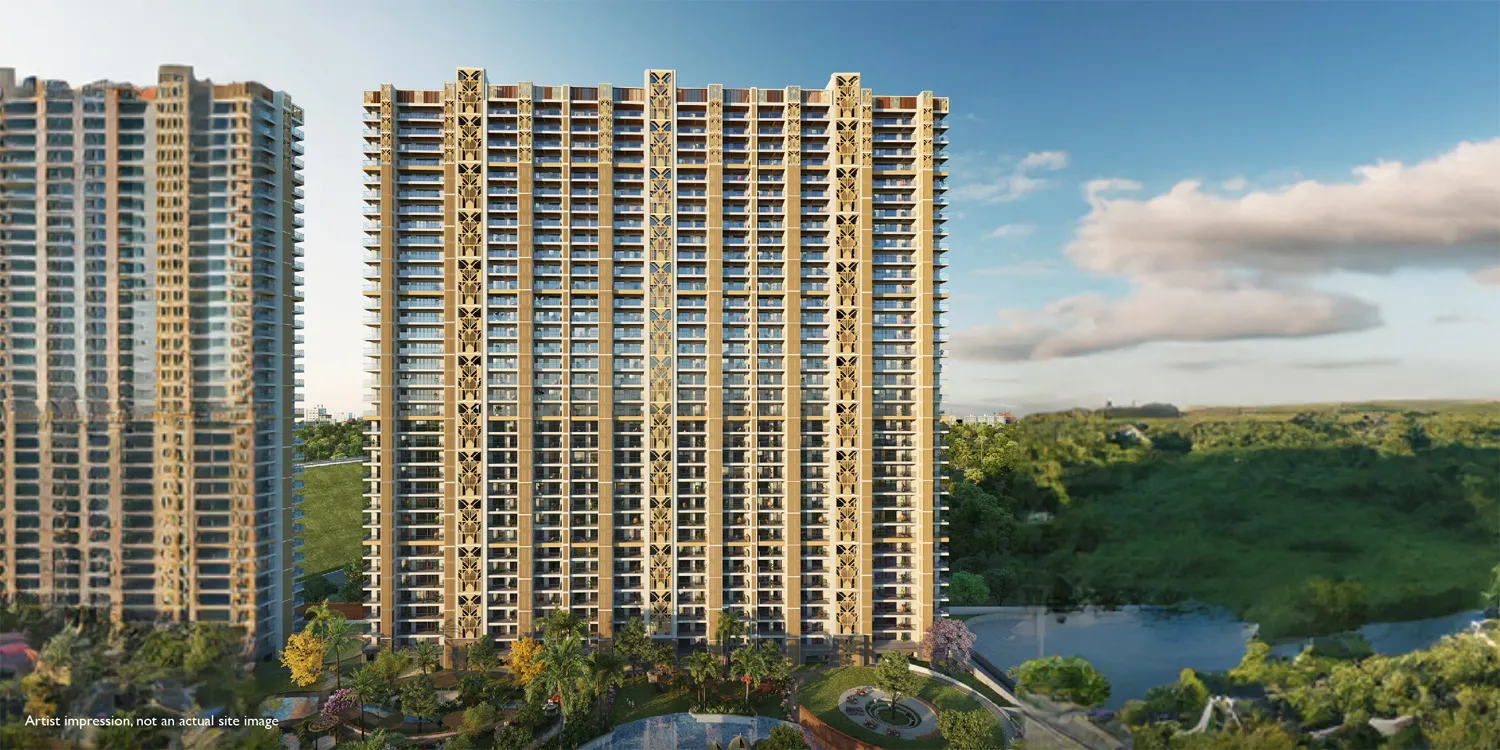
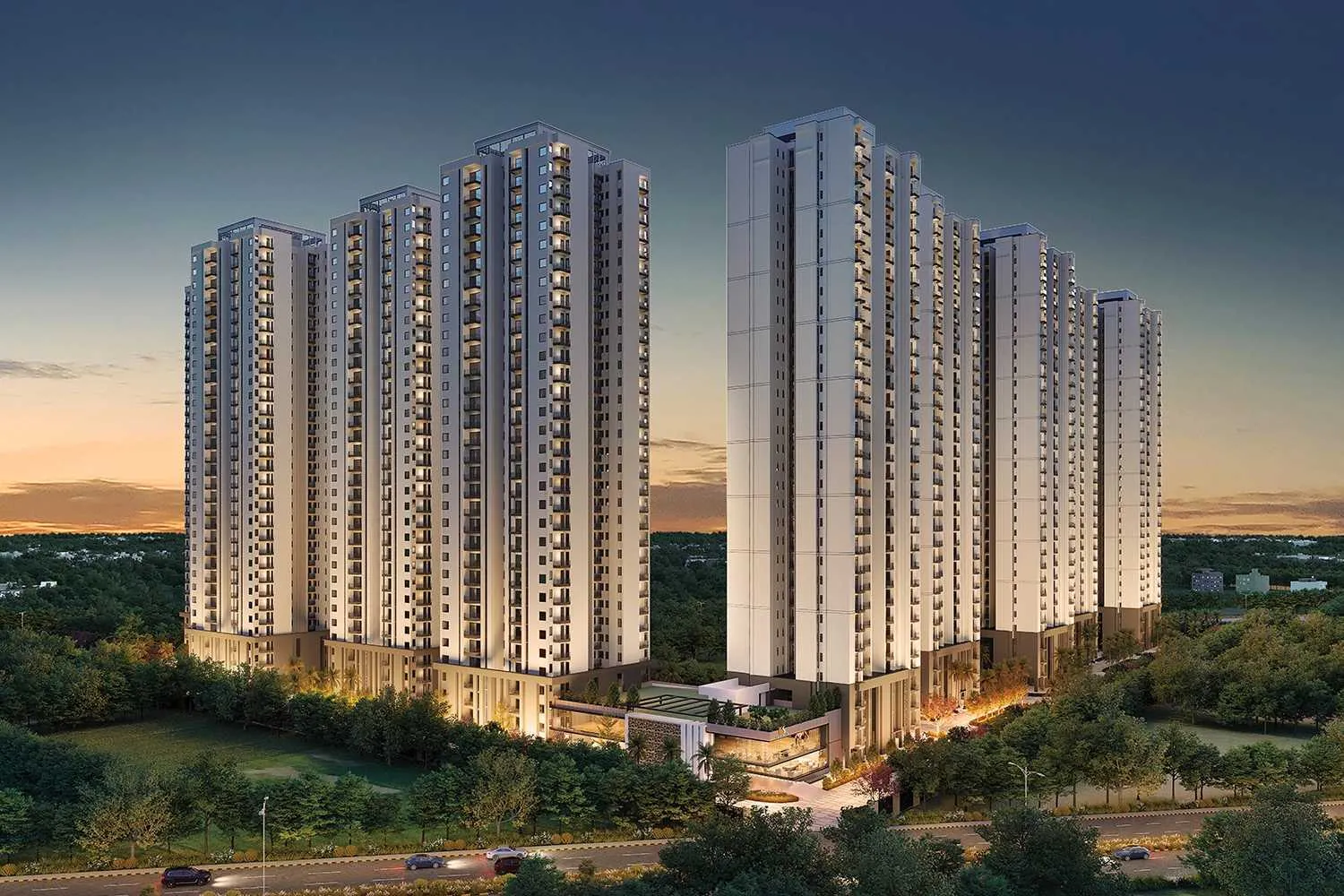
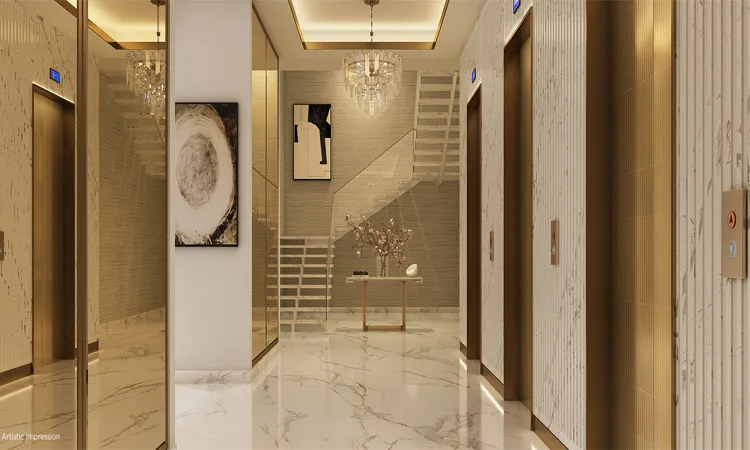
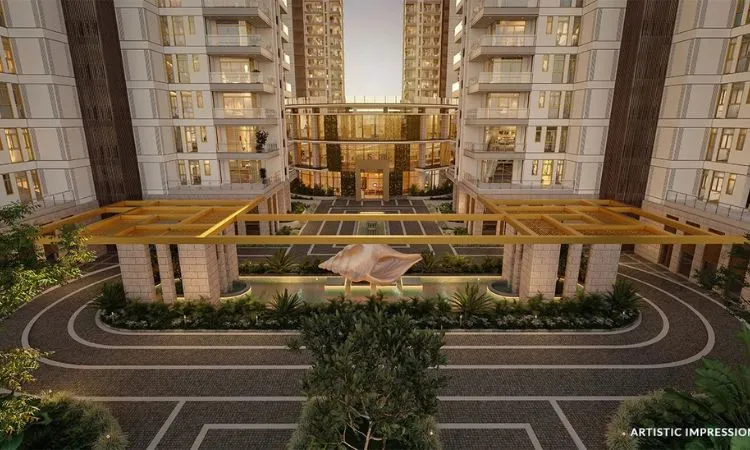
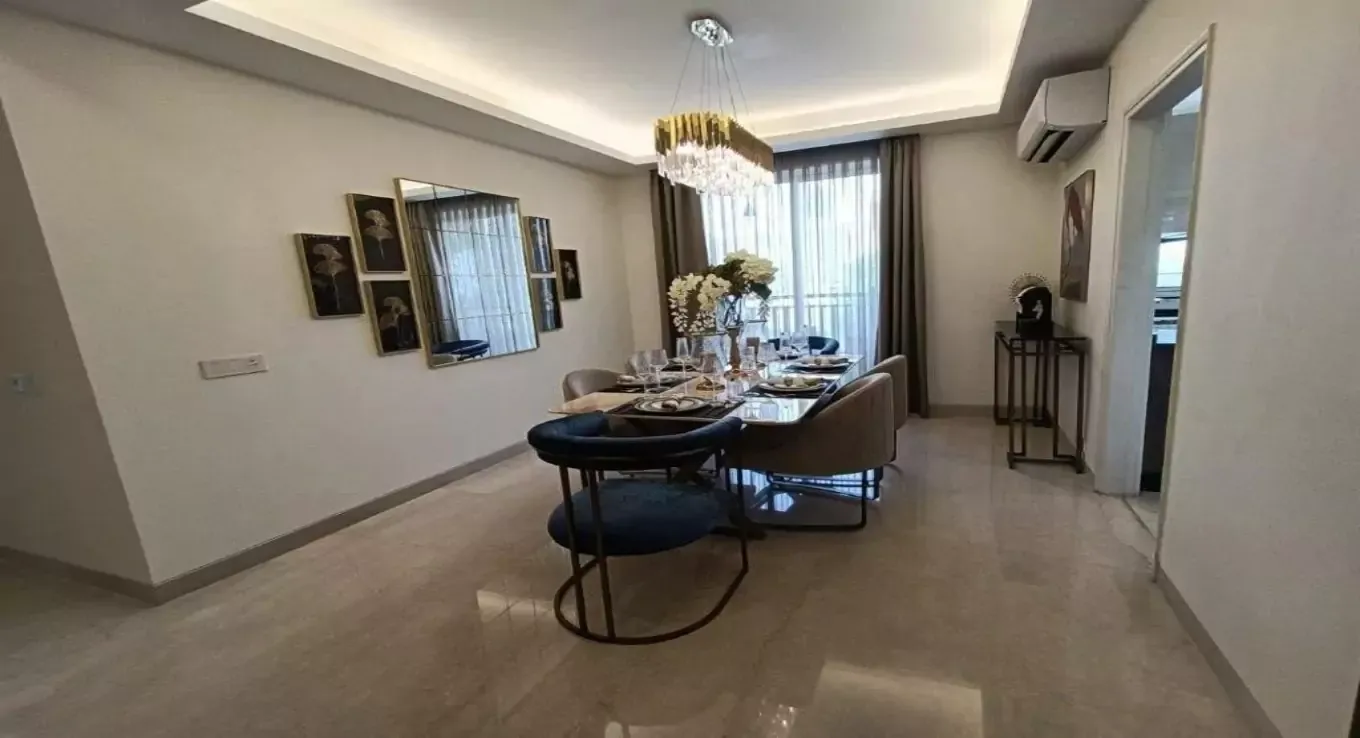
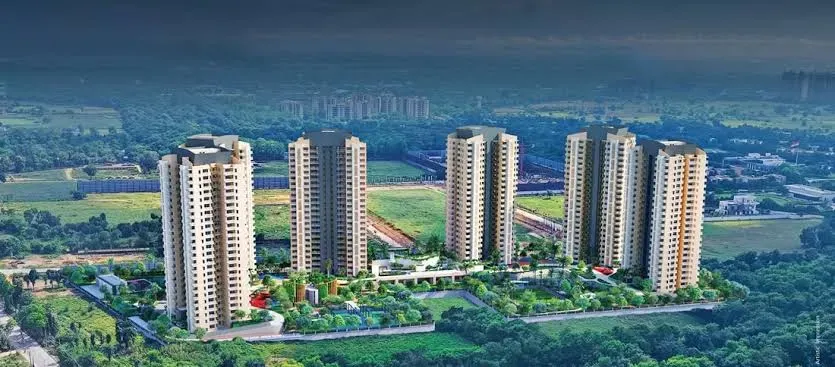
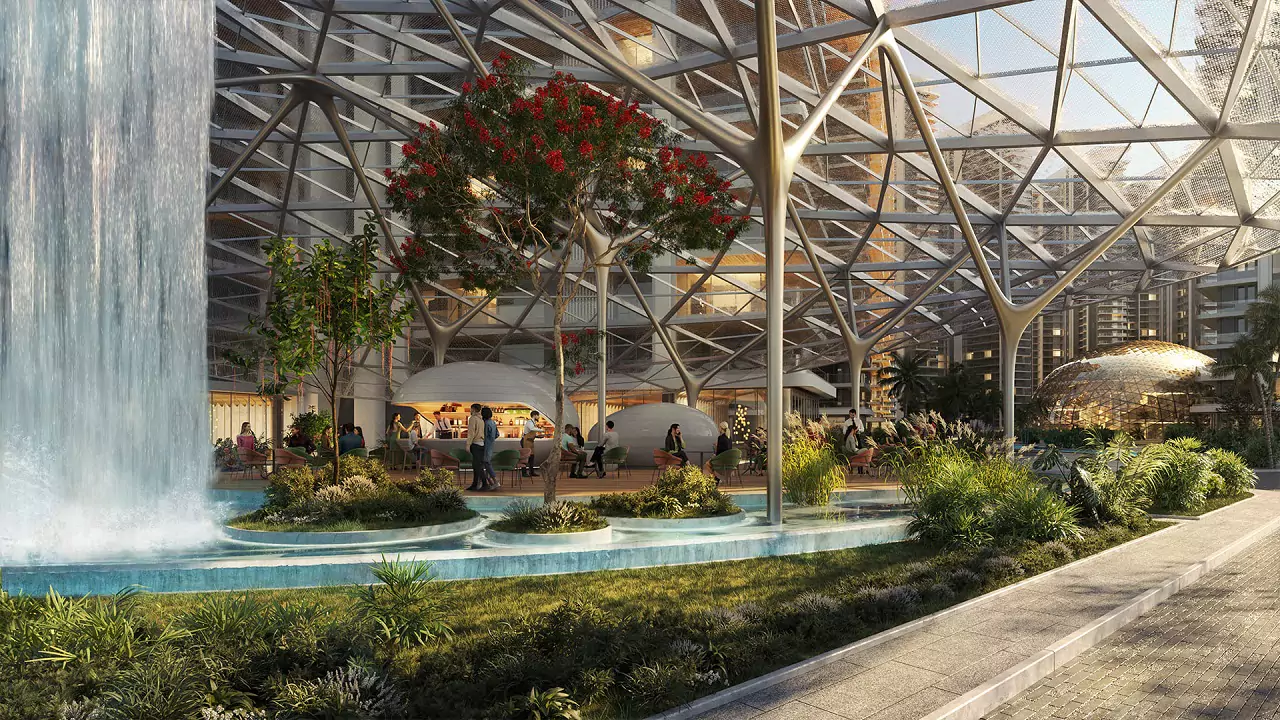
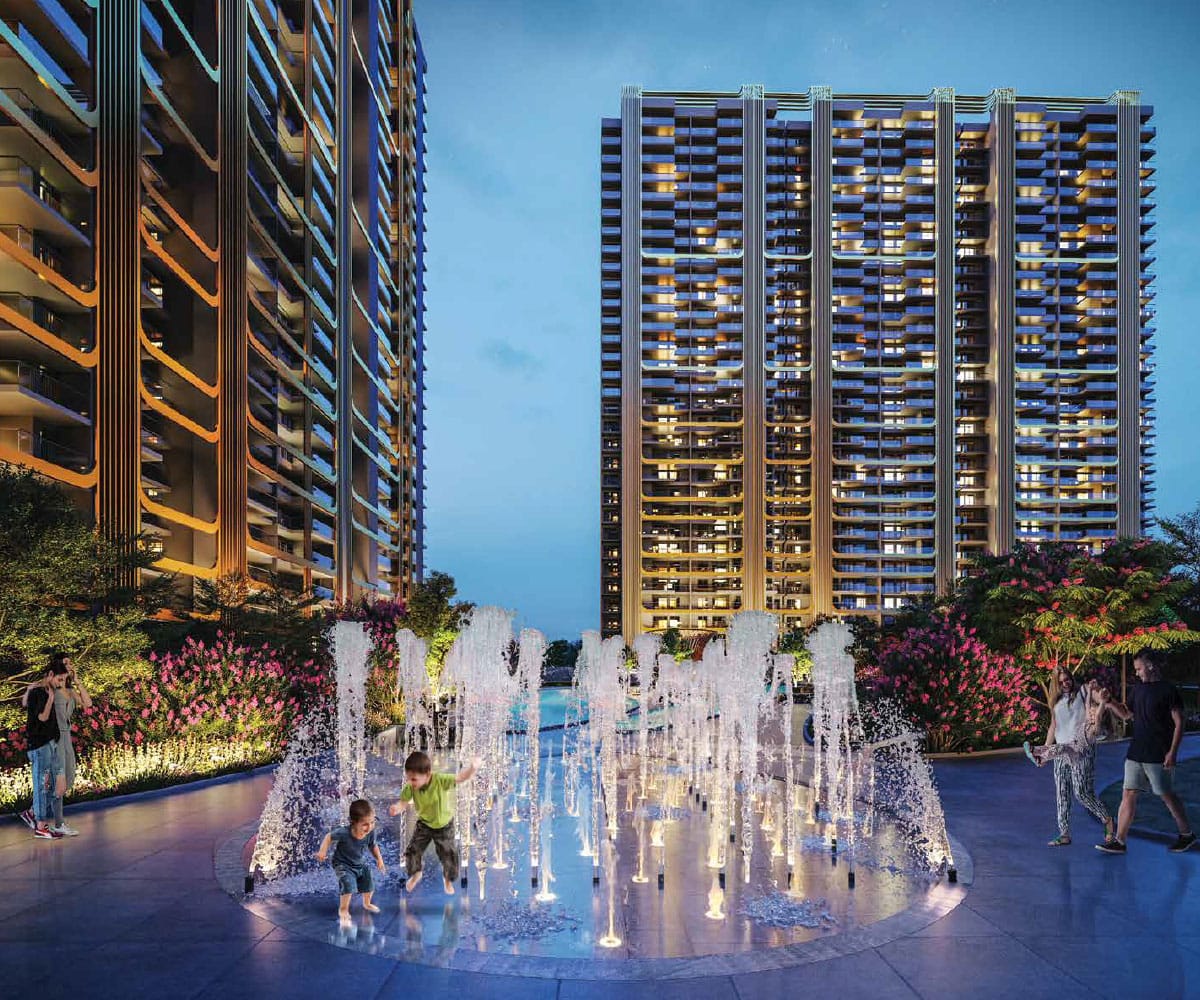
Central Park Flower Valley
Gurugram · Sohna
From₹6.09 Cr onwards (luxury apartments; villas higher)
 RERA
Under Construction
RERA
Under Construction
 RERA
Under Construction
RERA
Under Construction
 RERA
Under Construction
RERA
Under Construction
 RERA
Under Construction
RERA
Under Construction
 RERA
Under Construction
RERA
Under Construction
 RERA
Under Construction
RERA
Under Construction
 RERA
Under Construction
RERA
Under Construction
 RERA
Under Construction
RERA
Under Construction
 RERA
Under Construction
RERA
Under Construction
 RERA
Under Construction
RERA
Under Construction
 RERA
Under Construction
RERA
Under Construction
 RERA
Under Construction
RERA
Under Construction
 RERA
Under Construction
RERA
Under Construction
 RERA
Under Construction
RERA
Under Construction
 RERA
Under Construction
RERA
Under Construction
 RERA
Under Construction
RERA
Under Construction
 RERA
Under Construction
RERA
Under Construction
 RERA
Under Construction
RERA
Under Construction
 RERA
Under Construction
RERA
Under Construction
 RERA
Under Construction
RERA
Under Construction
 RERA
Under Construction
RERA
Under Construction
 RERA
Under Construction
RERA
Under Construction
 RERA
Under Construction
RERA
Under Construction
 RERA
Under Construction
RERA
Under Construction
 RERA
Under Construction
RERA
Under Construction
 RERA
Under Construction
RERA
Under Construction
 RERA
Under Construction
RERA
Under Construction
Side by side
Compare projects in Under Construction
Other Statuss
Most buyers in India still prefer ready to move inventory, yet under construction projects account for nearly half of premium launches in corridors like Dwarka Expressway and Noida Expressway. The reason is straightforward: pricing arbitrage. Developers typically price units 15 to 25 percent lower during construction phase compared to possession-ready stock, and for investors or end-users with flexible timelines, that gap translates into real savings or appreciation runway.
But under construction properties carry execution risk, timeline uncertainty, and a payment structure that locks capital progressively. The difference between a sound purchase and a stalled asset often comes down to developer track record, RERA compliance, and your own liquidity planning.
How Construction-Linked Payment Plans Actually Work
When you book an residential unit still under construction, you don't pay the full consideration upfront. Instead, disbursements follow a construction-linked payment plan tied to project milestones: foundation, plinth, slab completion, finishing stages. A typical schedule might look like 10 percent on booking, 10 percent on completion of foundation, another 15 percent at each floor slab, and balance on possession.
Post-RERA, 70 percent of your payment must flow into an escrow account monitored by the authority. This protects you from fund diversion, a chronic problem in the pre-2016 era when builders used collections from one project to fund another. Escrow doesn't eliminate delay risk, but it does reduce the chances of your money vanishing into unrelated ventures.
Home loan disbursement follows the same milestone schedule. You pay pre-EMI interest only on the disbursed amount, not the full sanction. If the developer is slow, your interest outgo stays lower in absolute terms, though the total interest paid over the construction period can still add up if timelines slip by a year or more.
Possession Timelines and the RERA Safety Net
Developers typically promise possession within 36 to 48 months of launch for high-rise projects in Gurugram or Noida. Ground reality often stretches that by six to twelve months, sometimes longer if approvals stall or demand softens and the builder slows execution to manage cash flow.
RERA mandates compensation for delays: ₹5 to ₹10 per sq ft per month is common, though the exact rate depends on your agreement and state rules. The bigger safeguard is project registration itself. Any project over 500 sq mt or eight units must be RERA-registered, with quarterly updates on construction progress published online. Before you book, verify registration on the Haryana RERA or UP RERA portal, check the project's completion percentage, and scan for any consumer complaints logged against the developer.
For new launch projects in emerging pockets like Sector 37D Gurugram or Jhajjar, expect longer gestation. Infrastructure development, roads, metro extensions, utilities, often lags behind builder timelines, and even if your tower is ready, the surrounding area may feel incomplete for another year.
Who Should Consider Under Construction Inventory
- Investors with a three- to five-year horizon willing to absorb illiquidity in exchange for capital appreciation and lower entry price
- End-users currently renting who can wait and prefer to lock today's price rather than chase a rising market
- NRIs with rupee income or surplus foreign exchange looking to deploy funds gradually via construction-linked plans
Financial and Tax Implications You Cannot Ignore
Pre-EMI interest paid during construction is not deductible under Section 24(b) in the year you pay it. Instead, it gets capitalized and added to your loan principal, then amortized over five years starting the year you receive possession. If you pay ₹8 lakh in pre-EMI over three years, you can claim ₹1.6 lakh per year for five years post-possession, subject to the ₹2 lakh annual limit.
Stamp duty and registration are due when you execute the sale deed, typically at possession or shortly before. In Haryana, that's 4.5 to 7 percent depending on gender and location; in UP, it ranges from 6 to 7.5 percent. Budget this separately from your payment plan.
For commercial under construction assets like SCO plots or retail floors on Golf Course Extension Road, GST at 5 percent applies on the construction value (excluding land). Residential buyers pay 1 to 5 percent GST depending on project type and affordable housing classification, with input tax credit passed through by the developer.
Liquidity risk is real. Reselling an under construction unit before possession means finding a buyer willing to wait and navigate assignment paperwork. The secondary market for such inventory is thin, and you will likely need to price at a discount to attract interest, eroding much of the arbitrage you banked on.
If the project is in a well-established micro-market, Sector 150 Noida, Southern Peripheral Road, or Faridabad near the metro, resale friction is lower. In speculative or underdeveloped zones, expect your capital to stay locked until possession and registry are complete.