 New Launch
Property Type · Listing
Properties in Residential
Explore residential properties, residential projects, luxury apartments. Top developers, RERA-verified projects, transparent pricing.
78 Projects
RERA Verified
Best Price Guarantee
78 results found
of 78
New Launch
 RERA
New Launch
RERA
New Launch
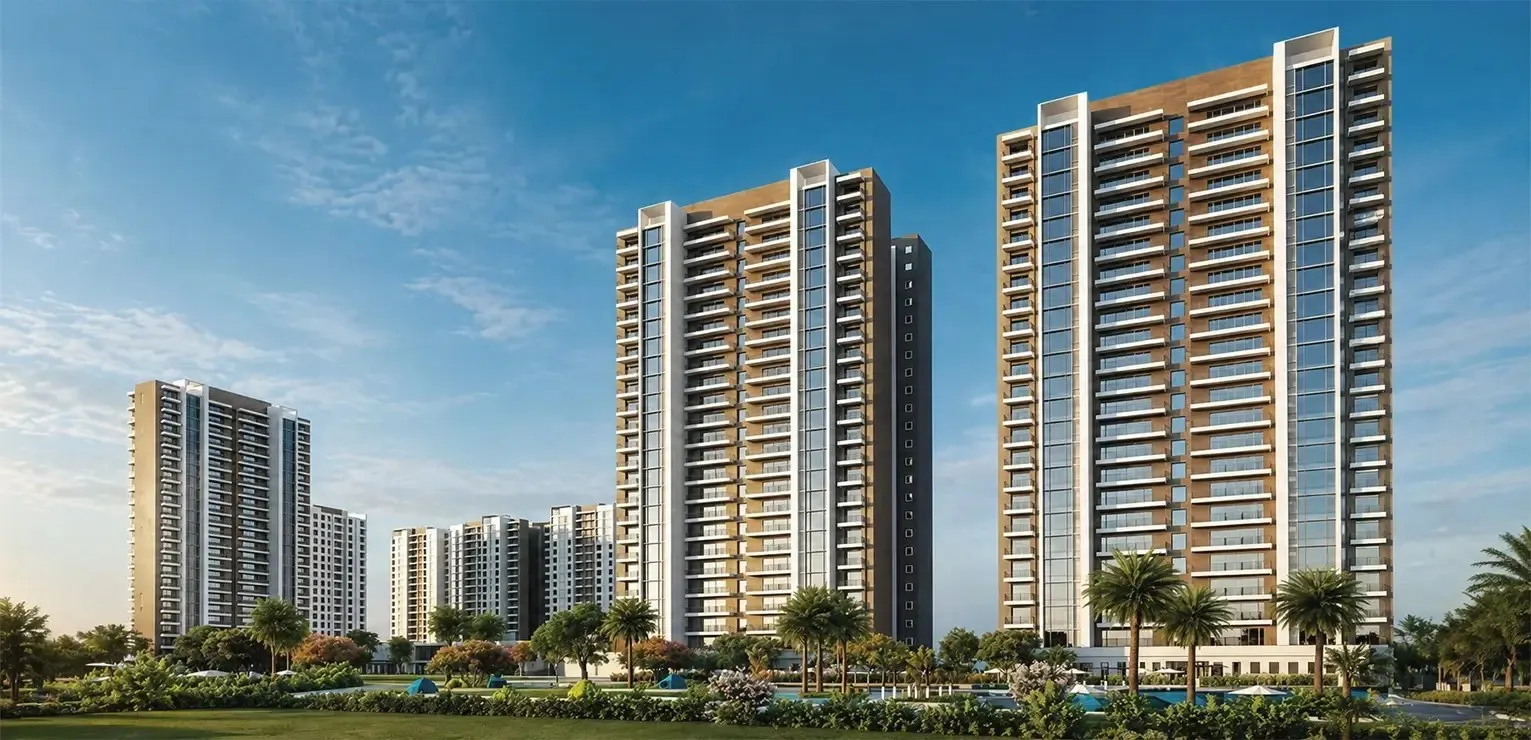
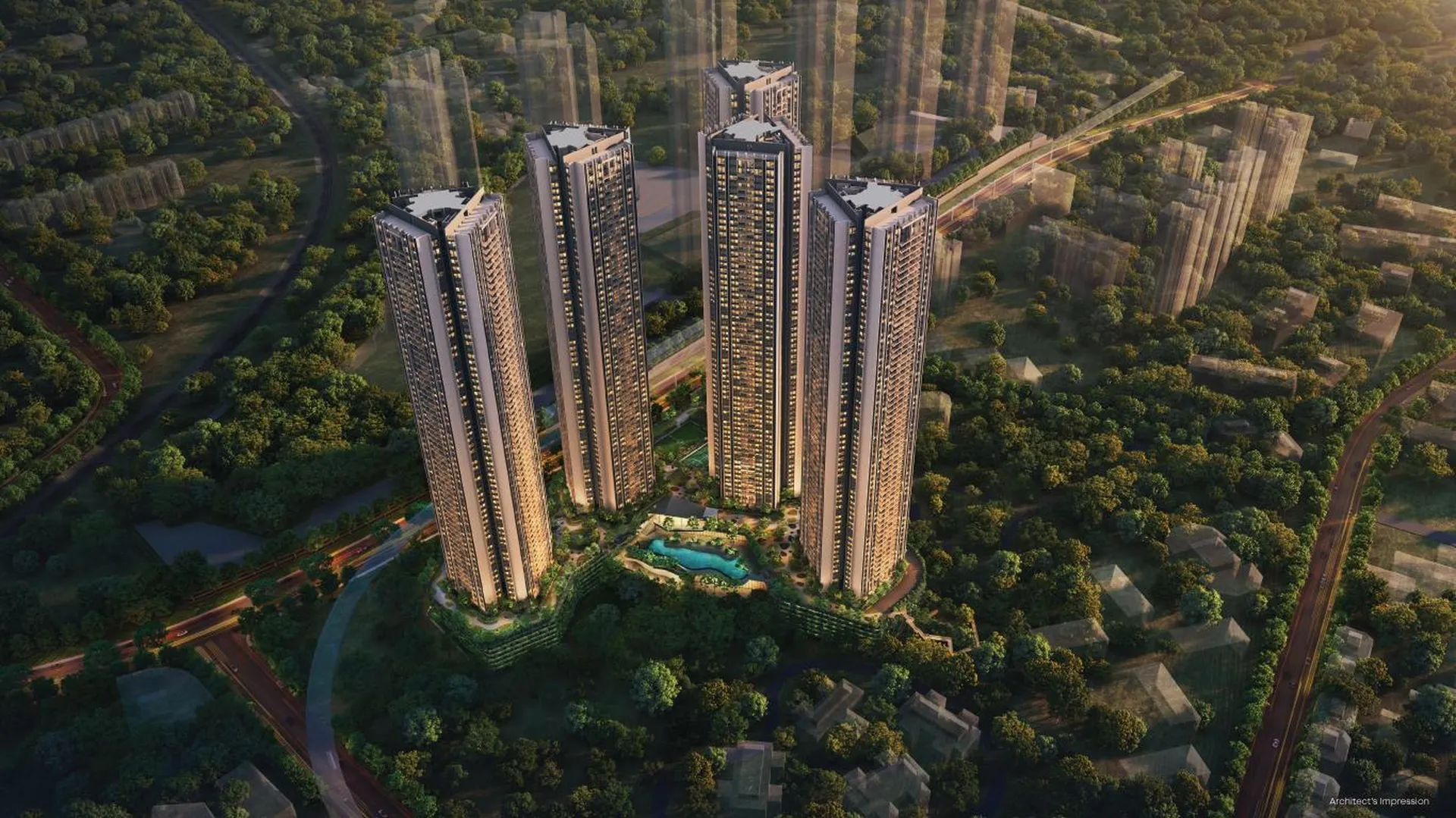
Smartworld Sector 67
Gurugram · Golf Course Extension Road
FromPrice on request (new launch)
 RERA
New Launch
RERA
New Launch
 RERA
New Launch
RERA
New Launch
 RERA
New Launch
RERA
New Launch
 RERA
New Launch
RERA
New Launch
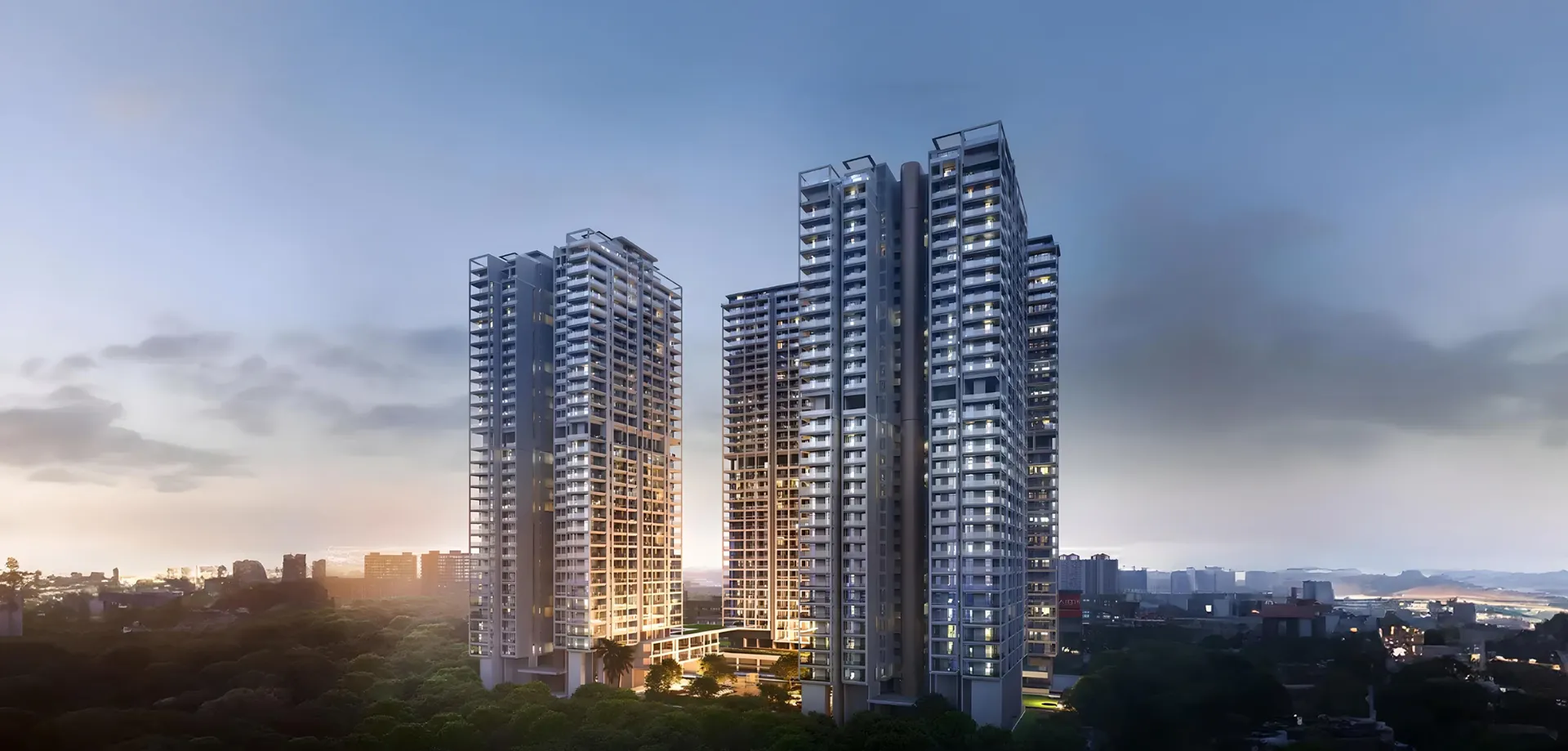
Max Estates Delhi One
Noida · Noida Expressway
FromPrice on request (ultra-luxury bare-shell)
 RERA
Under Construction
RERA
Under Construction
 RERA
Ready to Move
RERA
Ready to Move
 RERA
Ready to Move
RERA
Ready to Move
 RERA
Ready to Move
RERA
Ready to Move
 RERA
Under Construction
RERA
Under Construction
 RERA
Under Construction
RERA
Under Construction
 RERA
Under Construction
RERA
Under Construction
 RERA
Ready to Move
RERA
Ready to Move
 RERA
Under Construction
RERA
Under Construction
 RERA
Ready to Move
RERA
Ready to Move
 RERA
Under Construction
RERA
Under Construction
 RERA
Ready to Move
RERA
Ready to Move
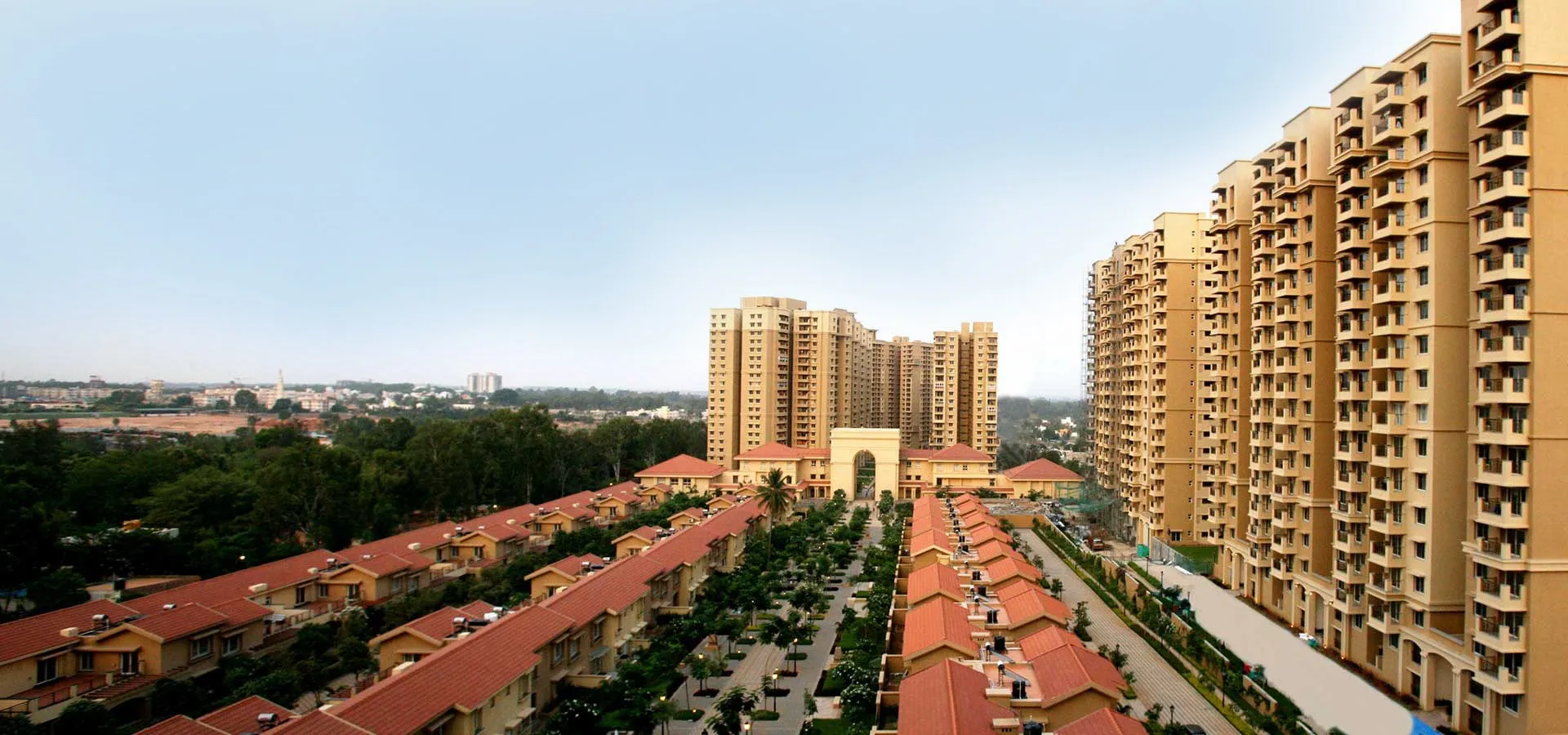
Emaar Emerald Hills
Gurugram · Golf Course Extension Road
From₹2.05 Cr onwards (homes); plots higher
 RERA
Ready to Move
RERA
Ready to Move
 RERA
Ready to Move
RERA
Ready to Move
 RERA
Ready to Move
RERA
Ready to Move
 RERA
Under Construction
RERA
Under Construction
 RERA
Under Construction
RERA
Under Construction
 RERA
Under Construction
RERA
Under Construction
 RERA
Under Construction
RERA
Under Construction
 RERA
Ready to Move
RERA
Ready to Move
 RERA
Ready to Move
RERA
Ready to Move
 RERA
Ready to Move
RERA
Ready to Move
 RERA
Under Construction
RERA
Under Construction
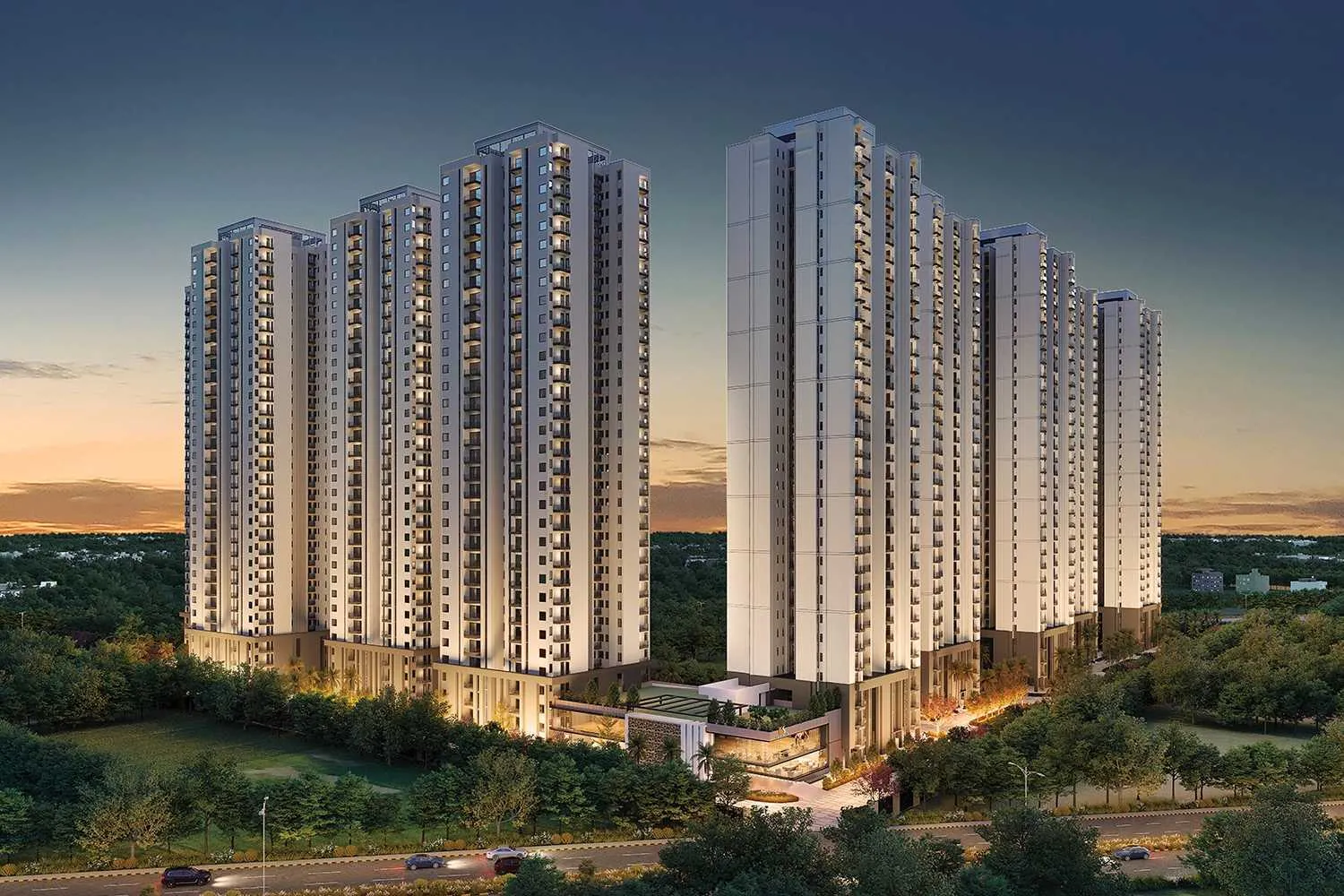
Central Park Flower Valley
Gurugram · Sohna
From₹6.09 Cr onwards (luxury apartments; villas higher)
 RERA
Under Construction
RERA
Under Construction
 RERA
Under Construction
RERA
Under Construction
 RERA
Under Construction
RERA
Under Construction
 RERA
Under Construction
RERA
Under Construction
 RERA
Under Construction
RERA
Under Construction
 RERA
Under Construction
RERA
Under Construction
 RERA
Ready to Move
RERA
Ready to Move
 RERA
Under Construction
RERA
Under Construction
 RERA
Under Construction
RERA
Under Construction
 RERA
Under Construction
RERA
Under Construction
 RERA
Ready to Move
RERA
Ready to Move
 RERA
Ready to Move
RERA
Ready to Move
 RERA
Under Construction
RERA
Under Construction
 RERA
Under Construction
RERA
Under Construction
 RERA
Under Construction
RERA
Under Construction
 RERA
Under Construction
RERA
Under Construction
 RERA
Under Construction
RERA
Under Construction
 RERA
Under Construction
RERA
Under Construction
 RERA
Under Construction
RERA
Under Construction
 RERA
Ready to Move
RERA
Ready to Move
 RERA
New Launch
RERA
New Launch
 RERA
New Launch
RERA
New Launch
 RERA
New Launch
RERA
New Launch
 RERA
New Launch
RERA
New Launch
 RERA
New Launch
RERA
New Launch
 RERA
New Launch
RERA
New Launch
 RERA
New Launch
RERA
New Launch
 RERA
New Launch
RERA
New Launch
 RERA
Under Construction
RERA
Under Construction
 Pre Launch
 RERA
New Launch
RERA
New Launch
 RERA
New Launch
RERA
New Launch
 RERA
New Launch
RERA
New Launch
 RERA
New Launch
RERA
New Launch
 RERA
New Launch
RERA
New Launch
 RERA
New Launch
RERA
New Launch
 RERA
New Launch
RERA
New Launch
 RERA
Under Construction
RERA
Under Construction
 RERA
New Launch
RERA
New Launch
 Pre Launch
 Pre Launch
 RERA
Under Construction
RERA
Under Construction
 RERA
Under Construction
RERA
Under Construction
 RERA
Under Construction
RERA
Under Construction
 RERA
Under Construction
RERA
Under Construction
 RERA
Under Construction
RERA
Under Construction
 RERA
Under Construction
RERA
Under Construction
 RERA
Under Construction
RERA
Under Construction
 RERA
Under Construction
RERA
Under Construction
Side by side
Compare projects in Residential
Other Property Types
Most Indian buyers default to residential without pausing to consider whether the category actually fits their needs. It's the largest slice of the market by volume, spanning everything from ₹40 lakh studio apartments in peripheral sectors of Noida to ₹15 crore penthouses along Golf Course Road in Gurugram. The term 'residential' is broad, covering apartments, floors, duplexes, and low-rise group housing. What binds them is usage: these are properties meant for dwelling, not commerce, and come with specific financing, taxation, and regulatory treatment that differs sharply from commercial assets.
The bulk of residential inventory in India falls into three formats. High-rise apartments dominate newer micro-markets, Sector 150 Noida, Dwarka Expressway, Southern Peripheral Road. Builder floors remain popular in mature pockets of Delhi like Greater Kailash and Vasant Kunj, offering independent entry and fewer shared amenities. Group housing societies, typically mid-rise clusters with shared infrastructure, strike a middle ground and are common in Faridabad and Ghaziabad. Each format carries different maintenance structures, resale liquidity, and lifestyle implications.
Configuration and Pricing Across Indian Corridors
BHK configurations range from compact 1 BHK units of 500-650 sq ft to sprawling 4 BHK layouts exceeding 3,000 sq ft. The sweet spot for end-users remains 2 and 3 BHK apartments between 1,000 and 1,800 sq ft. Pricing varies wildly by corridor. In Gurugram's established sectors like 54 and 56, expect ₹12,000-18,000 per sq ft for ready inventory. New sectors along the Dwarka Expressway quote ₹6,500-9,500 per sq ft for under-construction projects. Noida Expressway properties in Sectors 137-150 hover around ₹5,500-7,500 per sq ft, while Greater Noida West dips to ₹3,800-5,200 per sq ft. Emerging markets like Jhajjar on the KMP Expressway offer entry points below ₹4,000 per sq ft, though liquidity remains a concern.
Ticket sizes tell a clearer story. A 2 BHK in a mid-tier Noida project typically costs ₹60-85 lakh. The same configuration in Gurugram's New Gurgaon belt runs ₹90 lakh to ₹1.4 crore. Premium precincts push 3 BHK units past ₹2.5 crore. Investors chasing rental yield often target 1 and 2 BHK units near metro corridors or IT hubs, where gross yields of 2.5-3.5 percent are achievable. End-users prioritize school catchments, commute times, and society maturity over yield.
Tradeoffs Between Delivery Timelines and Asset Classes
Ready-to-move residential units command a 10-20 percent premium over under-construction equivalents but eliminate possession risk and offer immediate rental income. They also qualify for full home loan disbursement upfront, unlike phased releases tied to construction milestones. On the flip side, new launch projects promise modern layouts, lower base prices, and flexible payment plans, but carry timeline uncertainty even with RERA oversight. Delayed possession remains the single largest grievance among Indian buyers, especially in projects approved before 2017.
Comparing residential to alternatives clarifies positioning. Plot purchases offer construction flexibility and no society maintenance, but require capital for development and entail longer gestation before monetization. Villa projects deliver exclusivity and land ownership but demand budgets north of ₹2 crore in most Indian markets. Residential apartments, by contrast, offer lower entry barriers, faster liquidity, and shared amenity access, pools, gyms, parks, without individual upkeep.
Due Diligence Essentials for Indian Residential Buyers
RERA registration is non-negotiable. Verify the project's registration number on the state portal and cross-check the promoter's track record for past delays or litigation. Scrutinize the builder-buyer agreement for hidden charges: many developers levy preferential location charges, club membership fees, and power backup costs that inflate the effective price by 8-12 percent. Insist on a clear possession timeline with penalty clauses.
Title verification should cover the land's conversion from agricultural to residential use, especially in Faridabad and Ghaziabad where land acquisition histories can be murky. Engage a property lawyer to check for encumbrances, court cases, or lien markers. For resale units, obtain the original allotment letter, all payment receipts, and the occupancy certificate or completion certificate, many societies in India still operate without OC, complicating home loan approvals and resale.
- Check the floor rise charges and corner unit premiums before booking
- Confirm whether stamp duty and registration are included in the quoted price
- Review the society's maintenance escalation clause and sinking fund provisions
- Inspect the parking allotment, stilt, basement, or mechanical stack, since this affects daily convenience
Water and power infrastructure deserve separate attention. Societies reliant on borewells without piped supply face summer shortages. Ask about backup genset capacity per unit and whether it covers air conditioning loads. In tier-two Indian pockets, these basics often fall short, impacting liveability despite attractive pricing.
Explore More
Top Builders for Residential
Popular Corridors
Popular Residential Searches