 New Launch
Status · Listing
Properties in New Launch
Explore new launch properties, latest residential & commercial projects. Invest early in top locations with attractive prices & high returns.
23 Projects
RERA Verified
Best Price Guarantee
23 results found
of 23
New Launch
 RERA
New Launch
RERA
New Launch
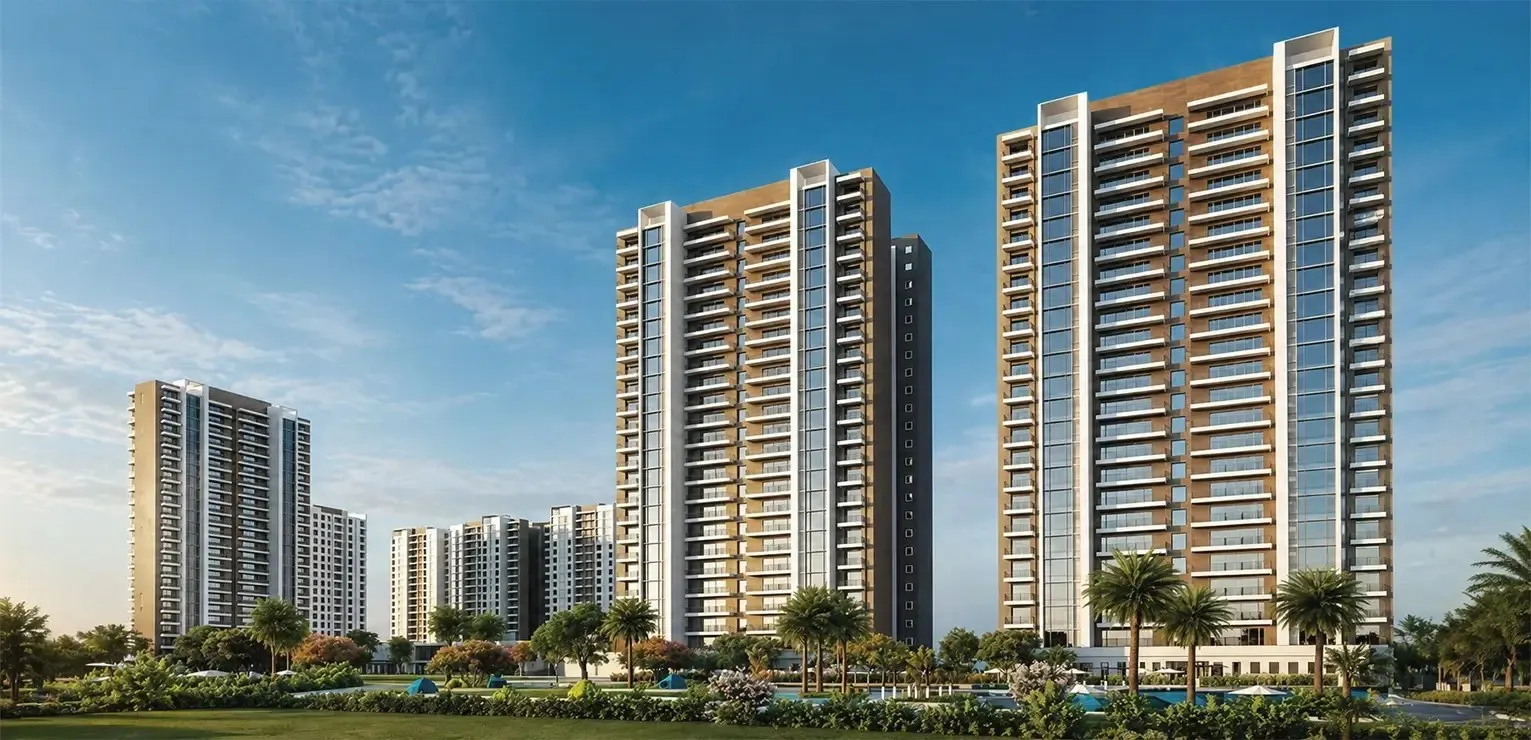
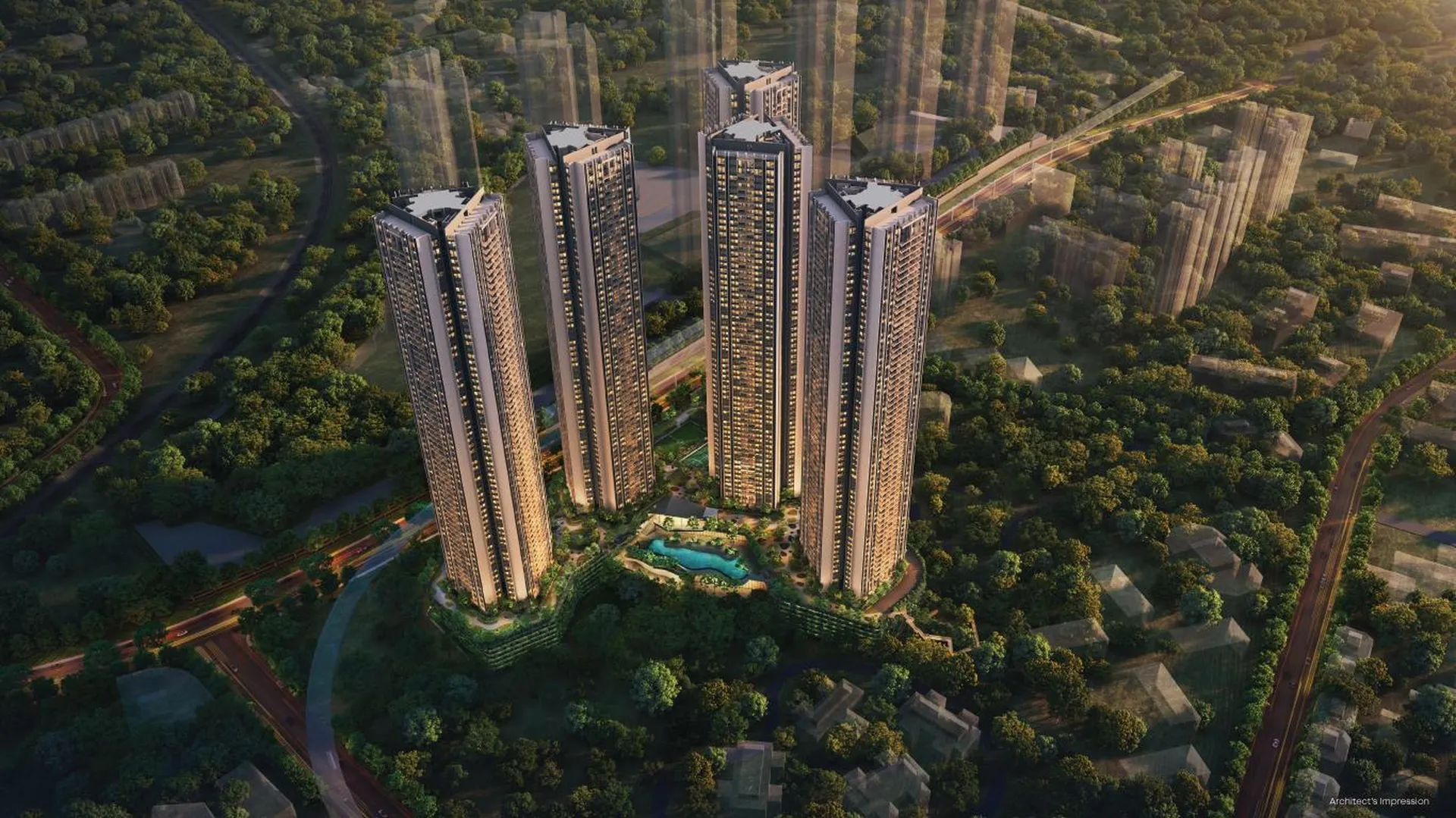
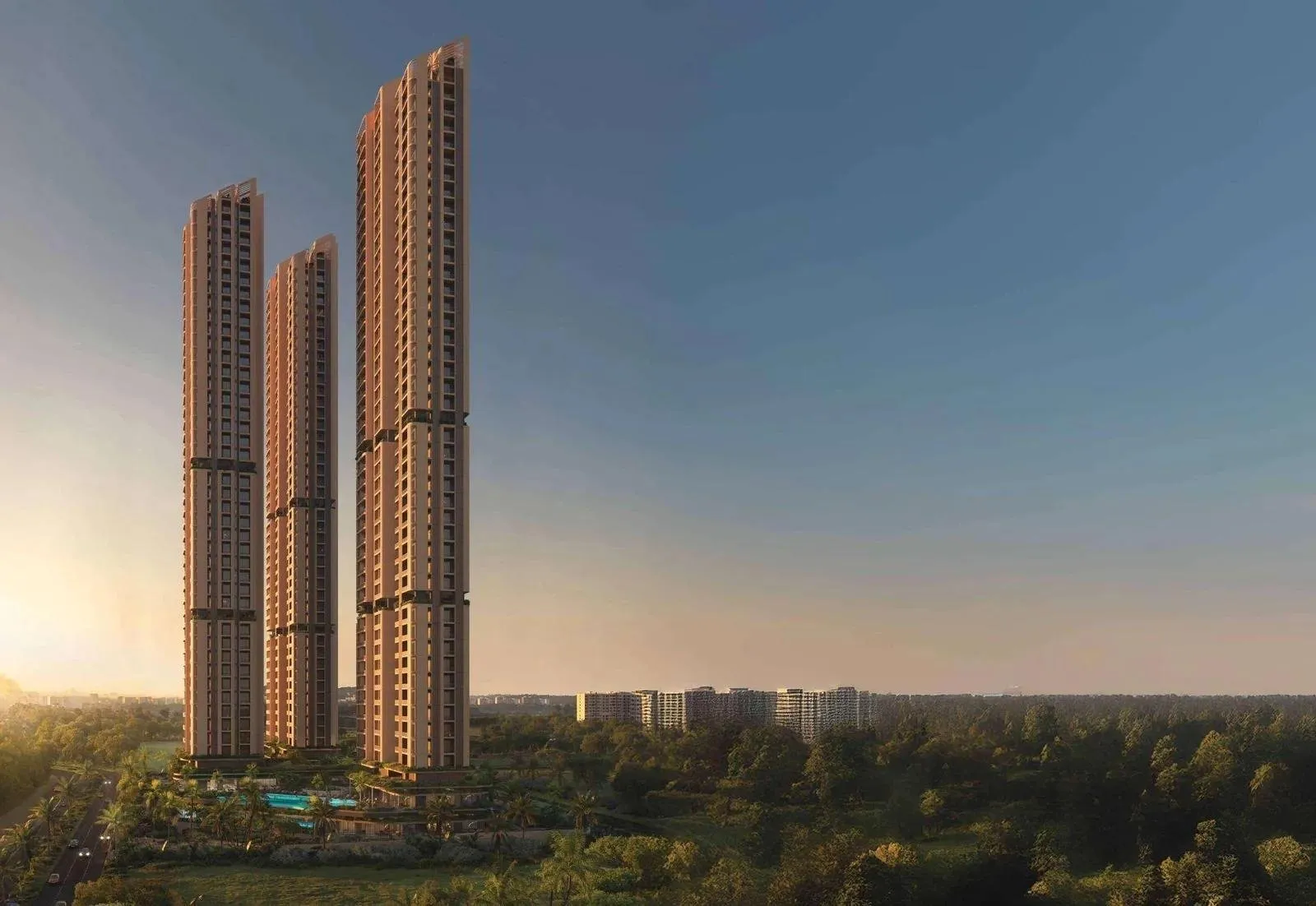
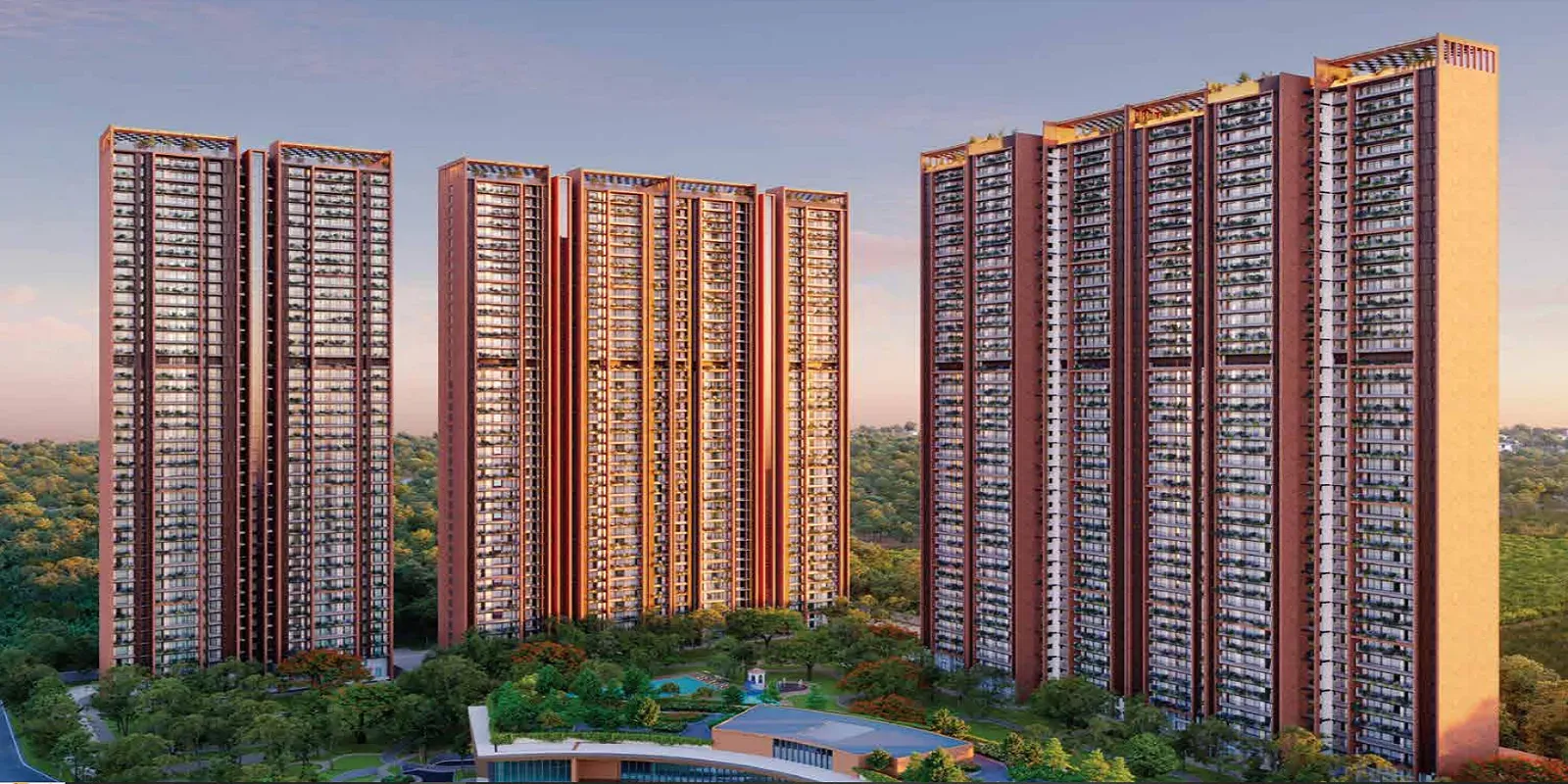
Smartworld Sector 67
Gurugram · Golf Course Extension Road
FromPrice on request (new launch)
 RERA
New Launch
RERA
New Launch
 RERA
New Launch
RERA
New Launch
 RERA
New Launch
RERA
New Launch
 RERA
New Launch
RERA
New Launch
 RERA
New Launch
RERA
New Launch
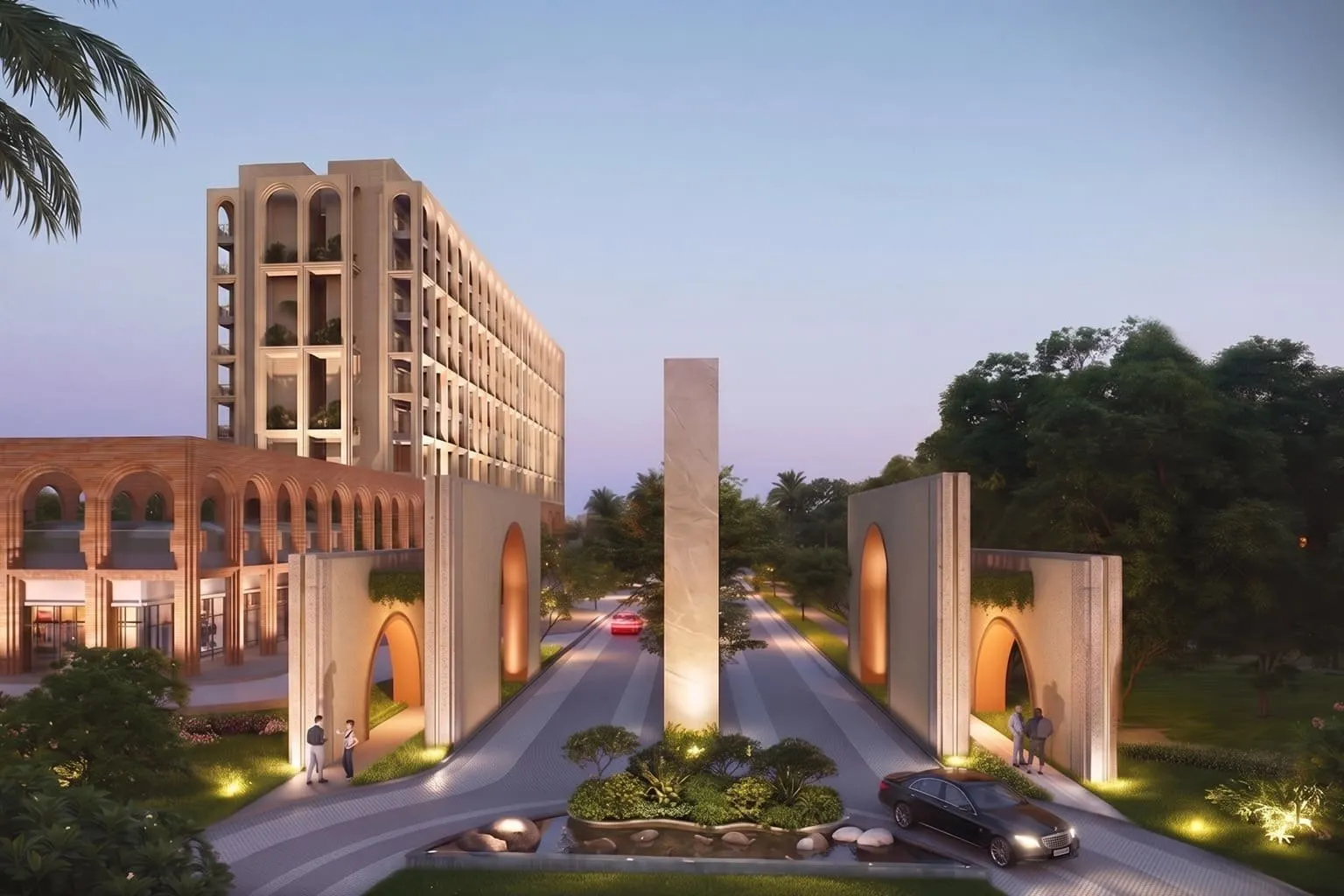
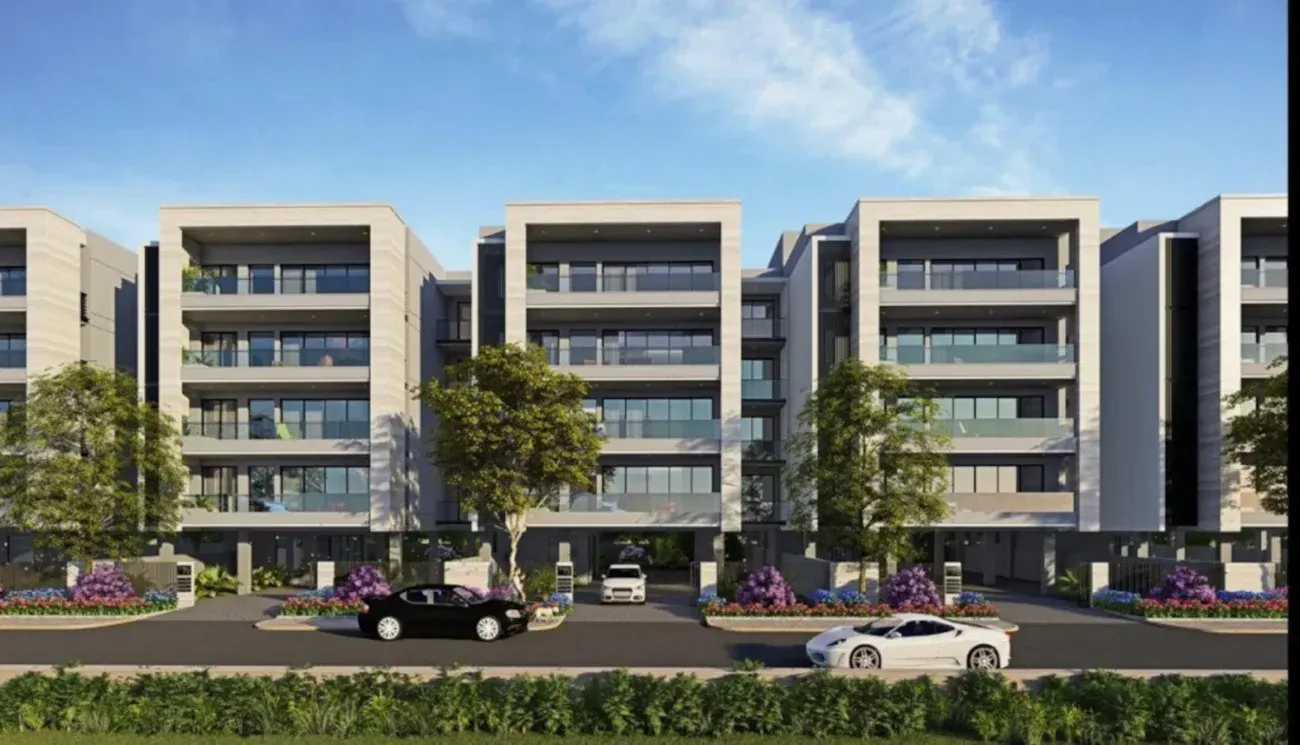
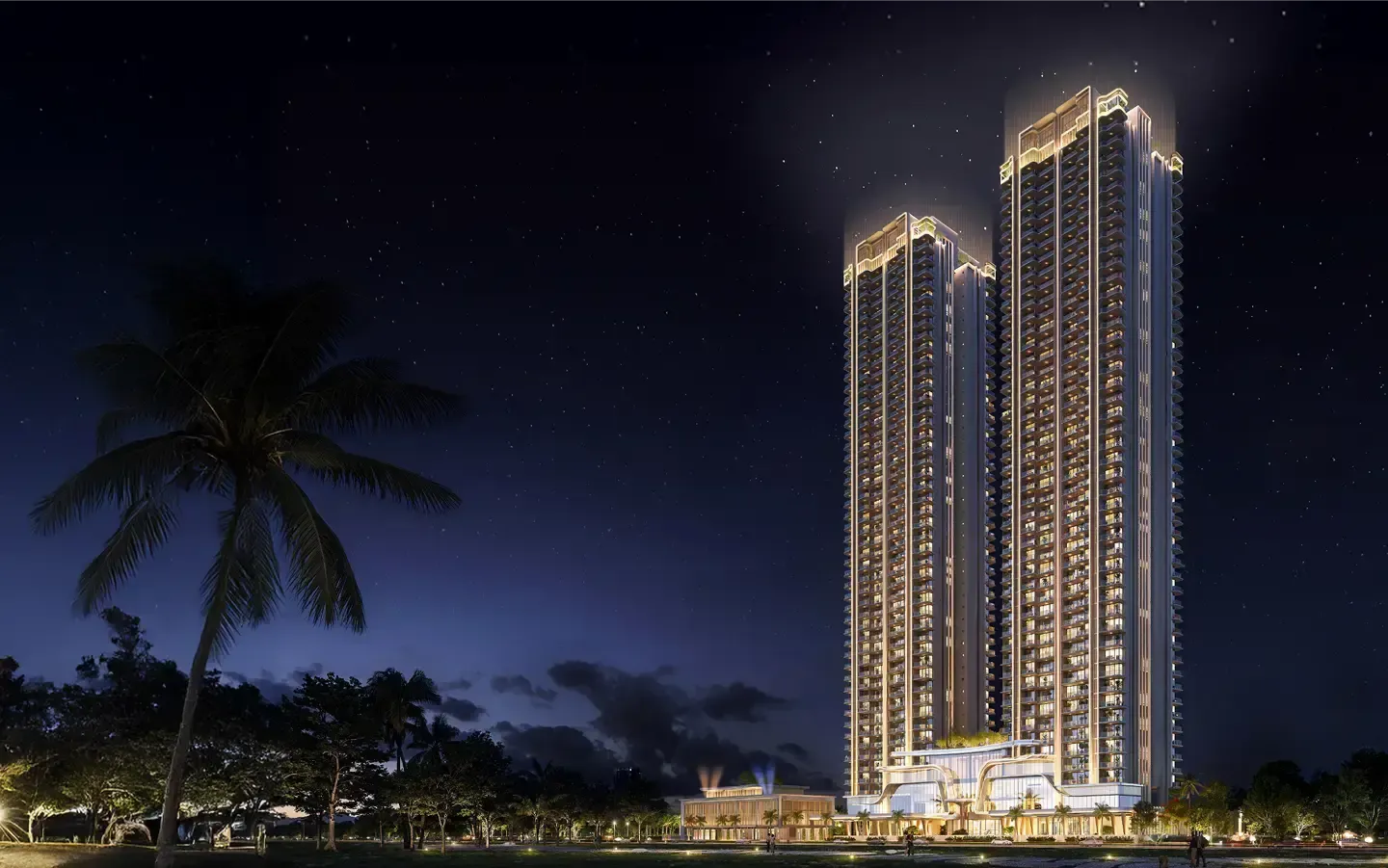
Max Estates Delhi One
Noida · Noida Expressway
FromPrice on request (ultra-luxury bare-shell)
 RERA
New Launch
RERA
New Launch
 RERA
New Launch
RERA
New Launch
 RERA
New Launch
RERA
New Launch
 RERA
New Launch
RERA
New Launch
 RERA
New Launch
RERA
New Launch
 RERA
New Launch
RERA
New Launch
 RERA
New Launch
RERA
New Launch
 RERA
New Launch
RERA
New Launch
 RERA
New Launch
RERA
New Launch
 RERA
New Launch
RERA
New Launch
 RERA
New Launch
RERA
New Launch
 RERA
New Launch
RERA
New Launch
 RERA
New Launch
RERA
New Launch
 RERA
New Launch
RERA
New Launch
 RERA
New Launch
RERA
New Launch
 RERA
New Launch
RERA
New Launch
Side by side
Compare projects in New Launch
Other Statuss
New launch properties in India typically hit the market 6 to 18 months before construction begins in earnest. Developers float these projects to gauge demand, lock in early buyers at attractive pricing, and secure capital before committing to full-scale execution. For buyers, this window represents the sharpest discounts, often 10 to 20 percent below eventual possession-stage rates, but also the longest wait and highest execution risk.
The distinction matters because under construction projects have already broken ground and offer visible progress, while new launches exist largely on paper: approved plans, RERA registration, and marketing collateral. You're buying into a promise, not a structure. That's not inherently bad, but it demands a different evaluation framework.
How Payment Plans and RERA Escrow Protect Buyers
Most new launch projects in Gurugram and Noida follow construction-linked payment plans: 10 to 20 percent on booking, then installments pegged to milestones like foundation, plinth, slab completion, and finishing. Possession-linked plans, where 80 to 90 percent is due only on handover, are rarer but do surface in premium segments.
RERA mandates that 70 percent of buyer payments flow into an escrow account, withdrawable only against certified construction progress. This protects you from fund diversion, though it doesn't eliminate project delays. Builders in Faridabad and Jhajjar corridors have occasionally stalled even RERA-registered projects due to approvals, market slowdowns, or cash crunches. Check the developer's track record: how many projects have they delivered on time in the past five years. Names like DLF, M3M, and Godrej inspire more confidence than a first-time promoter, regardless of brochure quality.
Who Should Consider New Launch Properties
New launches suit buyers with a 4 to 6 year horizon who prioritize cost arbitrage over immediate possession. If you're planning a wedding in two years or your child starts school in three, this isn't your segment, look at ready to move inventory instead. But if you're an NRI parking repatriated savings, or a salaried professional in your early 30s planning ahead, the math often works.
Investors chasing capital appreciation also cluster here. A ₹80 lakh residential 2BHK in Sector 37D Gurugram bought at new launch pricing could be worth ₹1.1 to 1.2 Cr at possession, assuming the corridor matures as expected. That's a 35 to 50 percent gain over five years, though it's illiquid until possession and carries execution risk.
- End-users willing to wait 4 to 6 years for possession
- Investors with medium to long-term capital appreciation goals
- NRIs seeking rupee-denominated asset allocation without immediate occupancy needs
Financial Considerations Beyond Sticker Price
New launch pricing looks attractive until you account for the full financial load. Interest on home loans starts immediately if you draw down tranches, even though you're not living in the property. Pre-EMI, interest-only payments during construction, can run ₹15,000 to ₹25,000 monthly on a ₹60 lakh loan. Over five years, that's ₹9 to 15 lakh in dead money before principal repayment even begins.
Some buyers self-finance during construction and take the loan only at possession, but that demands liquidity. Others opt for subvention schemes where the builder pays your interest during construction, though these typically come with a 3 to 5 percent price premium baked in. There's no free lunch.
Goods and Services Tax at 5 percent (with input tax credit) applies to commercial and residential new launches alike, adding to the effective outflow. Factor in registration at 6 to 7 percent of the agreement value, stamp duty variations across Indian states, and you're looking at 11 to 12 percent in taxes and fees on top of the base price.
Evaluating Execution Risk in New Launch Projects
Possession delays are the norm, not the exception. Even reputable builders slip timelines by 12 to 24 months due to labor shortages, approval bottlenecks, or market corrections that slow sales velocity and starve cash flow. RERA compensation, ₹5 to ₹10 per day per ₹1 lakh of flat cost, rarely covers your actual carrying cost or opportunity loss.
Scrutinize the land title: is it freehold or leasehold. Is the entire parcel in the developer's name, or are there pending acquisitions. Projects in Delhi and older Noida sectors sometimes face litigation over land ownership, freezing construction mid-way. Ask for the RERA certificate, approved building plans, and environmental clearances. If the developer hesitates, walk.
Location matters more at new launch stage because the micro-market is still forming. A project in Sector 95 Gurugram might promise proximity to the Dwarka Expressway, but if the road isn't operational at possession, rental yields and resale liquidity suffer. Physical infrastructure, operational metro stations, schools, hospitals, trumps promised connectivity every time.