India's residential housing market entered a slower phase in the April-June quarter of 2026, with sales across the seven major cities falling 6 percent year-on-year to 90,715 units, down from 96,285 in Q2 2025. Delhi-NCR tracked that same 6 percent decline, recording 13,365 units against 14,255 a year ago. Yet NCR home prices climbed 13 percent year-on-year, the steepest appreciation among all seven cities, according to ANAROCK data released June 29.
Volumes and prices moving in opposite directions
The 7 percent average price rise nationally masks the unevenness. NCR at 13 percent outpaced every other metro. The reason is rooted in supply: NCR new project launches fell 40 percent year-on-year to just 11,205 units in Q2 2026, against a national picture where total supply across the seven cities actually rose 7 percent to about 1,06,000 units. Less new inventory entering the market, especially in the premium and ultra-premium brackets that define Gurugram's Golf Course Extension Road, SPR, and Dwarka Expressway corridors, kept prices firm even as buyer volumes softened.
On a sequential basis the picture looks different: new launches fell 16 percent quarter-on-quarter nationally, suggesting developers pulled back in Q2 after a more active Q1. Available unsold inventory rose 10 percent nationally to over 6.16 lakh units, but NCR's unsold stock held steady, keeping its overhang well below the 12-month mark that analysts treat as a comfort threshold.
Gurugram's corridors widened the price gap
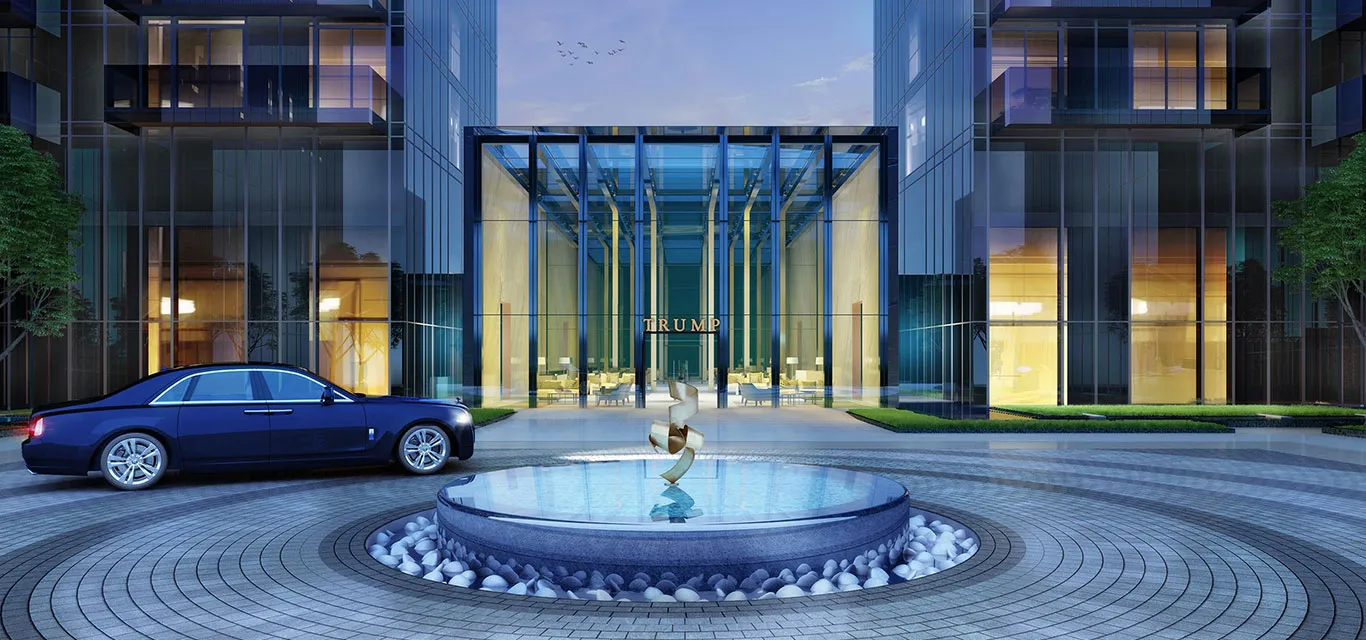
The 13 percent NCR price rise is not a city-wide average in the traditional sense. It is heavily shaped by the luxury and ultra-luxury belts in Gurugram, where per-sq-ft rates have moved from the Rs 18,000-22,000 range into Rs 25,000-45,000 territory over the past two years. Projects like Trump Towers Gurugram and Pioneer Araya in Sector 62 are pricing benchmarks on the Golf Course Extension Road corridor. For a full breakdown of where each sector currently stands, our Gurugram sector-wise rate guide for 2026 maps pricing from the Golf Course Road through Sector 113 on the Dwarka Expressway.
What put buyers on the sidelines in Q2
ANAROCK attributed the pan-India volume decline partly to a "wait-and-watch approach" among buyers, with the ongoing West Asia conflict cited as a macro headwind alongside AI-related disruptions in the IT and ITeS sector. That second factor matters for NCR in particular: a meaningful share of luxury housing demand in Gurugram comes from senior professionals in the technology sector, who are rethinking big-ticket purchases while sector-wide hiring slows.
Not every city suffered. Kolkata sales rose 10 percent year-on-year, Hyderabad grew 2 percent, and Bengaluru held near-flat at 1 percent growth. Pune took the steepest hit at 15 percent down year-on-year.
Premium rules, affordable retreats
One figure that tells the longer-term story: premium and luxury housing now accounts for 74 percent of new supply across the seven cities, while affordable housing has retreated to just 6 percent of launches. In NCR, the Rs 3-5 crore bracket on the Dwarka Expressway and the Golf Course Extension Road continued to see absorption run ahead of fresh supply, which means near-ready inventory at that price point is in shorter supply than the headline numbers suggest.
For buyers weighing options across Gurugram's main corridors, our GCR vs GCER vs Sohna Road corridor comparison provides a data-backed breakdown of pricing, possession timelines and ROI trends on each belt.
Full Q2 2026 data is drawn from reports by Tribune India and KNN India, both citing the ANAROCK residential report released June 29, 2026.