Something odd happened in the Delhi-NCR office market this April to June. Gross leasing touched 3.6 million sq ft, the highest quarterly number the region has ever recorded, according to CBRE. Flex operators alone accounted for 45% of that space, roughly 1.6 million sq ft, as global capability centres and tech firms kept signing up for ready-to-move desks instead of waiting on custom-built offices. Nobody was talking about apartments in that report. But if you live near Cyber City or Udyog Vihar, you've probably already felt the knock-on effect in your rent renewal.
A Record Quarter, Quietly
Office leasing numbers rarely make headlines the way home sales figures do. We covered how NCR home sales actually fell 7% in H1 2026 even as prices climbed, which on its own reads like a slowing market. Pair that with a record office quarter, though, and a different picture forms: fewer transactions, but the people who do buy or rent are chasing a shrinking pool of homes close to where the jobs actually are.
GCCs aren't small operations anymore. What used to be back-office cost centres for global banks and consumer brands have turned into full engineering and product hubs, and they're hiring in bulk. Every new GCC lease in Cyber City or Udyog Vihar eventually shows up as a few hundred new tenants (sometimes more) looking for a 2BHK or 3BHK within a 20-minute drive.
Why Gurugram Keeps Winning This Fight
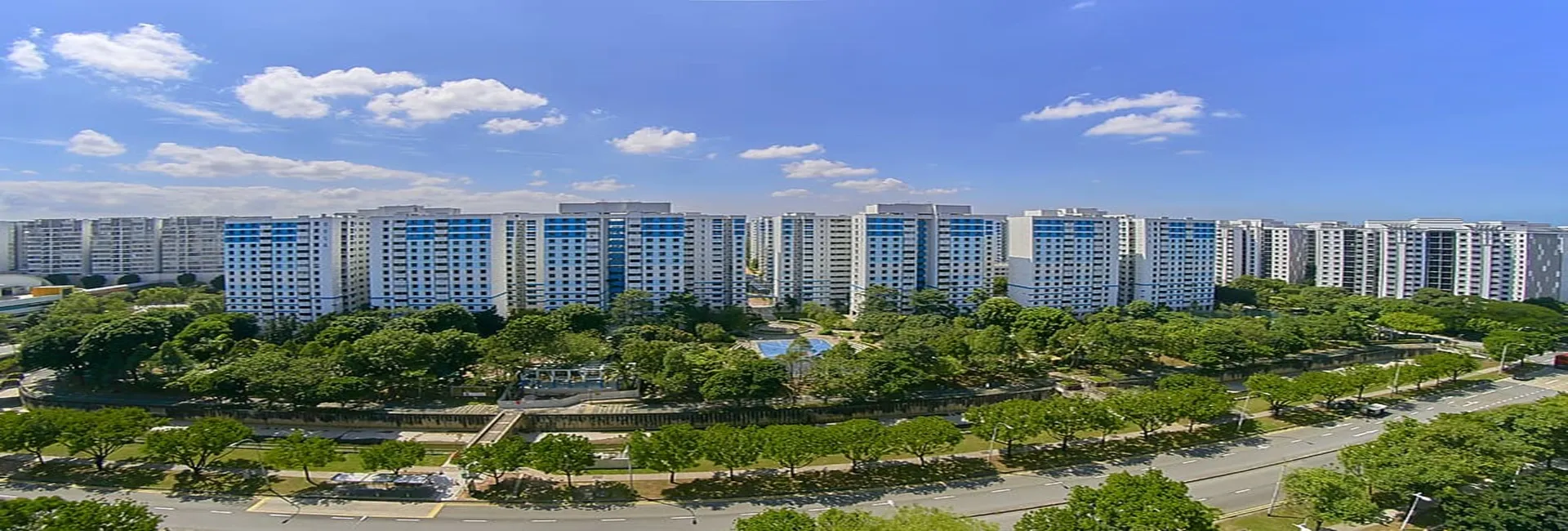
Gurugram still pulls the lion's share of NCR's new project launches, something we broke down in our sector-wise rate guide earlier this year. The corporate ecosystem around DLF Cyber City is mature, the metro connectivity works, and expat and senior GCC hires don't blink at rent. A well-kept 3BHK close to Cyber City now goes for anywhere between ₹60,000 and ₹1.2 lakh a month, and landlords in that band aren't negotiating much (why would they, with a queue of tenants behind the current one).
That demand doesn't stay contained to Cyber City itself. It spills into Golf Course Extension Road and Sohna Road corridors, a 20 to 30 minute commute for most office workers, where rents are lower but climbing fast. Projects like M3M Capital and Sobha City sit right in that catchment, and both have seen rental enquiries pick up alongside the office leasing numbers, not after them.
The Co-Living Angle Nobody Priced In
There's a second, quieter shift happening underneath all this. A big chunk of the GCC hiring wave is entry to mid-level talent in their mid-20s, people who'd rather not sign a three-year lease on a full flat in a city they might get transferred out of. That's pushing demand toward co-living operators and managed service apartments dotted around Golf Course Extension Road and Sector 65-67. Landlords who once resisted leasing to these operators are coming around, mostly because a managed co-living tie-up now guarantees steadier occupancy than chasing individual tenants every eleven months. It's a small slice of the rental market today, but it's growing faster than the standard 3BHK segment, and it's worth watching if you own a smaller unit in that belt.
Noida's Turn Is Coming
Noida isn't sitting this out either. It posted 8% year-on-year price growth, actually ahead of Gurugram's 6% appreciation, and the Noida International Airport plus better industrial infrastructure are pulling in a different flavour of GCC, more manufacturing-adjacent and logistics-linked firms rather than pure tech. We compared the two markets in detail in Noida vs Gurugram: Where Your Money Goes Further, and the rental story is starting to echo that investment story. Renters priced out of Cyber City's immediate radius are increasingly looking at Noida Expressway and Greater Noida, not as a compromise but as a genuine alternative with better new-build stock.
It's a slower build than Gurugram's, to be fair. Noida's office base is still thinner and more scattered across sectors, so the rental spillover hasn't concentrated the way it has around Cyber City. Give it another two or three leasing quarters like this one and that gap probably narrows.
What This Means If You're Renting or Buying
- If you're hunting for a rental near a GCC hub, expect landlords to hold firm on price. Budget an extra month or two of search time if you want to negotiate.
- Buyers eyeing rental yield should look one ring out from the immediate office corridor, not right on top of it. That's usually where price and rent growth both still have room.
- Inventory under ₹1 crore near premium micro-markets is basically gone. Anarock and Knight Frank data both point to replacement supply lagging well behind demand at that price point.
- Watch the flex-office share specifically. Flex operators expanding fast usually means more short-stay, high-turnover tenants nearby, which is good for rental churn but not always for long-term neighbourhood stability.
The Bigger Picture
Knight Frank's research has flagged this pattern before in other Indian cities: commercial leasing momentum tends to show up in residential rents about one to two quarters later, once new hires actually relocate and start apartment hunting. If that holds true here, the rental pressure around Cyber City and Udyog Vihar we're seeing right now is probably an early signal rather than a peak. CBRE's Q2 report also notes GCCs are shifting from pure cost-saving setups to genuine innovation centres, which if it continues means these leases aren't going anywhere soon.
None of this means home sales volumes will suddenly bounce back. Buyers are still cautious, and the 7% dip in H1 transactions is real. But rental demand and sales demand are different animals, and right now, one of them is clearly heating up faster than the headlines suggest. Keep an eye on the next leasing report before it hits the property pages, not after.