The Number That Changed the Conversation
In a city where property prices have always moved, 17.6% still turns heads. A PropEquity analysis published in 2026 placed Delhi-NCR's luxury residential segment among the fastest-appreciating markets in India, logging a 17.6% year-on-year price increase. Not a niche pocket. The wider premium belt.
To put that in context: a home priced at Rs 3 crore a year ago would now trade closer to Rs 3.53 crore on that average alone. Some corridors moved even further.
Why here, why now, and what should a buyer without a Rs 10 crore budget make of all this? Those are the questions worth answering.
What's Driving the Surge
Three things have stacked up at the same time. First, a genuine shift in who's buying. The post-2022 wave of tech-sector exits, startup acquisitions, and family-business liquidity events pushed a new segment of buyers into the property market. They're younger, richer, and uninterested in affordable-segment compromises. Gurugram's Golf Course Extension Road and Dwarka Expressway sectors have absorbed much of that demand.
Second, the RBI made credit cheaper. After cutting the repo rate four times across 2025, from 6.50% to 5.25%, the central bank held rates steady in June 2026, signaling a supportive but measured stance. Home loan rates for buyers with strong credit have come down to around 7.10% per annum. Buyers sitting out on Rs 2-3 crore purchases found the EMI math working better.
Third, supply discipline. Most new launches in NCR over the past 18 months have been in the Rs 1.5 crore and above ticket range. Affordable-segment inventory hasn't been replenished at the same pace. That mismatch keeps premium prices firm.
Gurugram: Which Corridors Ran Hardest
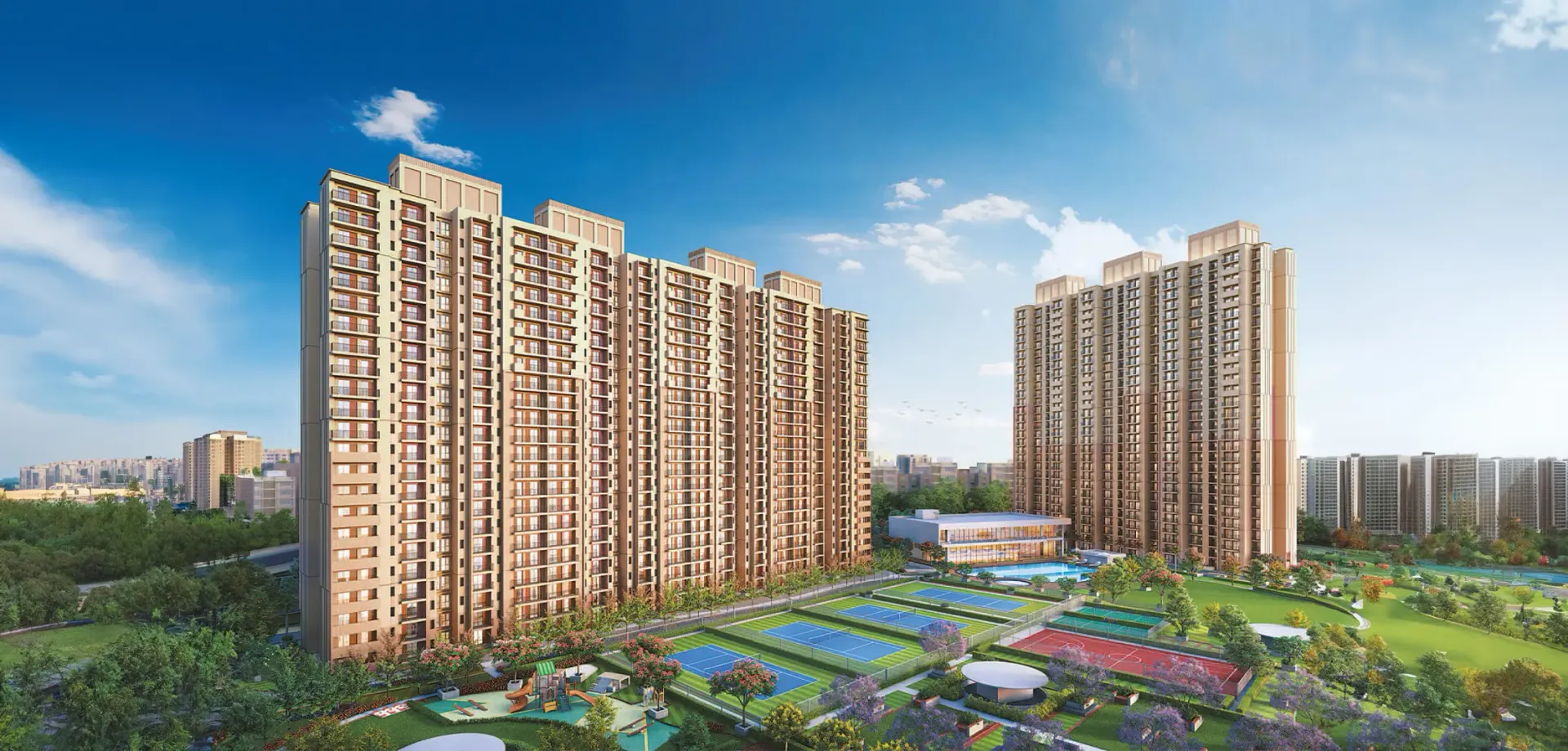
Not all of Gurugram moved equally. The premium run has been concentrated along three corridors. Dwarka Expressway (sectors 99 to 113) saw some of the biggest absolute moves, driven by project completions and improving airport connectivity. The full picture of Dwarka Expressway projects covers the range from Rs 2.5 crore to Rs 15 crore plus.
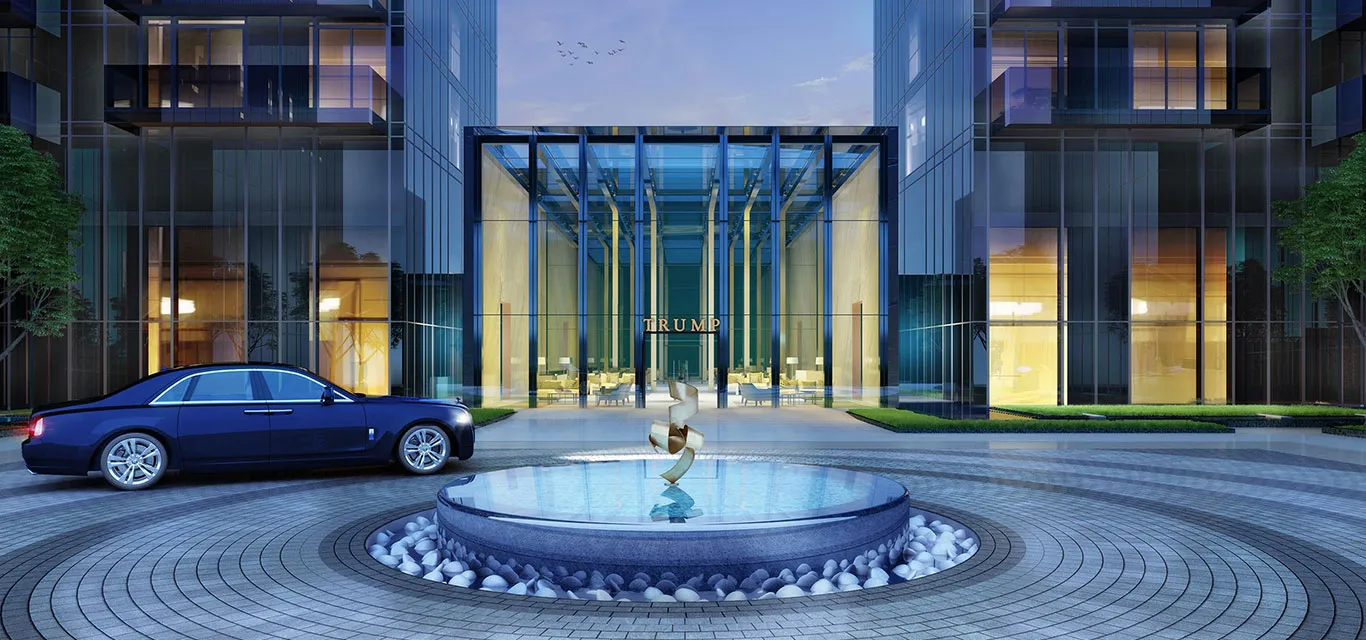
Golf Course Extension Road and the SPR belt have drawn premium buyers looking for finished inventory, club amenities, and brand associations. A project like Trump Towers Gurugram in Sector 65 shows how far brand-attached pricing has stretched. At the upper end, M3M Elie Saab in Sector 111 is testing buyer willingness at Rs 15 crore and above.
For how these corridors compare in per-sqft terms right now, the GCR vs GCER vs Sohna Road breakdown covers current pricing data for each belt.
Noida Is Quietly Catching Up
Gurugram takes most of the headlines, but Noida's trajectory is worth watching separately. A Business Standard report from June 2026 flagged the Noida Expressway as the NCR's fastest-growing luxury corridor on a percentage basis. Prices along sectors 100 to 150 have compounded sharply since 2019, when the market was still working through its post-RERA adjustment.
Greater Noida West remains accessible for buyers in the Rs 1 to 2 crore range, though it isn't insulated from the wider upswing. As prices along Noida Expressway push higher, buyers squeezed out of that corridor have moved west, lifting prices there too.
Where Mid-Budget Buyers Still Have Options
Here's the honest part. A 17.6% appreciation in the luxury segment is good news if you already own. For buyers still looking, the window has narrowed.
The average ticket size of new launches in Gurugram has climbed steadily. Most fresh launches in sectors 63A, 65, 79, and 82 to 89 are priced above Rs 2 crore for a 3 BHK. Getting under Rs 5 crore in a well-connected sector is still possible (there's a curated list of viable 3 BHK options under Rs 5 crore on this site), but the shortlist narrows each quarter.
Segments that still offer relative value: SPR sectors (79, 81, 83, 89) for newer launches with open land around them, Greater Noida West for genuine end-use buyers, and resale inventory in Gurugram sectors 57 and 58 where older projects with solid maintenance trade below new-launch benchmarks.
What to Do With All This Data
A few practical conclusions from the numbers:
- Don't bank on a correction in the premium segment. The structural drivers, new wealth formation, NRI demand, and the RBI's softer rate stance, are not temporary. A meaningful price dip in established corridors is unlikely near-term.
- Focus on connectivity catalysts. Sectors gaining real access improvements, the airport metro link, SPR highway work, NH upgrades, tend to outperform. That's where the next leg of appreciation is most likely concentrated.
- Get current prices, not launch prices. Several projects launched in 2021-2022 at figures that look very different today. Check 2026 resale benchmarks, not the original brochure.
- Use the rate window. Repo rate at 5.25% means home loan rates are at a multi-year low. That won't stay fixed if inflation picks back up.
The 17.6% figure is a data point, not a guarantee. But it does tell you one thing clearly: sitting out of this market in hope of a dip has its own cost too.